
Designing Risk: How Casino Interfaces Blend Psychology, Visual Art, and Player Retention
casino design interface

According to the British Psychological Society, digital environments are increasingly designed to influence human behavior, often using subtle cues that guide decision-making. Online casinos exemplify this trend, where interface design is not simply aesthetic but a calculated form of persuasion. Every color, sound, and animation is carefully chosen to sustain engagement and encourage repeated interaction.

Colors and motion are central to this persuasive architecture. Bright reds and golds signal urgency and reward, while cooler tones create moments of calm between high-stakes decisions. Animations simulate the thrill of physical slot machines, and sound design reinforces the sense of anticipation. Reward feedback loops, such as flashing lights or celebratory tones after small wins, are engineered to keep players immersed. Platforms like non UK casinos that accept UK players often experiment more freely with these elements, offering a glimpse into how design flexibility can shape user experience beyond regulatory boundaries.

Colors, Animation, and Sound Design

Visual and auditory cues are not incidental. They are rooted in behavioral psychology. Research from the University of Nevada, Las Vegas highlights how slot machine sounds trigger dopamine responses, reinforcing the cycle of play. Similarly, color palettes are chosen to evoke emotional states—red for excitement, green for reassurance, and blue for trust. Animation adds dynamism, simulating the unpredictability of chance. Together, these elements create a sensory environment where risk feels both thrilling and manageable.

Risk Aesthetics in Online Gambling

The concept of “risk aesthetics” describes how design choices frame uncertainty as entertainment. Online casinos use suspenseful pauses, escalating sound effects, and visual metaphors of treasure or fortune to transform risk into spectacle. This aestheticization of chance blurs the line between art and psychology. It is not merely about winning or losing but about sustaining a narrative of possibility. The interface becomes a stage where risk itself is the performance.

UK-Regulated Interfaces vs Offshore Creativity

UK-regulated platforms operate under strict guidelines set by the UK Gambling Commission, which limit the use of certain visual and auditory triggers to reduce addictive behaviors. For example, autoplay restrictions and mandatory “reality checks” are designed to interrupt continuous play. Offshore platforms, however, often bypass these constraints. Their interfaces may feature more elaborate animations, layered soundscapes, and experimental reward systems. This divergence illustrates how regulation shapes design, with UK casinos prioritizing harm reduction while offshore sites emphasize immersion.

Interface Experimentation and Offshore Platforms

Offshore operators, including alternative sites similar to international casinos accessible to UK audiences, often push boundaries in interface design. Their freedom allows them to test unconventional layouts, gamified loyalty systems, and immersive visual storytelling. This experimentation reflects a broader trend in digital entertainment, where design innovation is used to differentiate platforms. For players, the appeal lies in novelty, but the risks are heightened when regulatory safeguards are absent. The creative latitude of these platforms underscores the tension between engagement and protection.

Ethical Considerations

The ethical debate centers on whether immersive design enhances entertainment or manipulates vulnerability. According to the World Health Organization, gambling disorder is recognized as a behavioral addiction, influenced by environmental triggers. When interfaces amplify risk aesthetics, they may inadvertently contribute to harmful patterns of play. Ethical design would balance engagement with transparency, ensuring that players understand the risks. Yet commercial pressures often prioritize retention over responsibility, leaving regulators and designers to negotiate the boundaries of persuasion.

READ ALSO: Risk and Reward: How Artists Depict Gambling in Visual Art

Closing Reflection

Casino interfaces are more than digital decoration. They are persuasive systems that blend psychology, visual art, and retention strategies. The contrast between UK-regulated platforms and offshore alternatives highlights how design freedom can both enrich and endanger user experience. International casinos accessible to UK players demonstrate the allure of experimentation, but they also raise questions about accountability. Ultimately, the line between entertainment and manipulation is fragile. Gambling carries inherent risks, and immersive design can intensify them. Players should remain aware that behind every animation and sound effect lies a calculated attempt to sustain engagement. Awareness, therefore, becomes the most important safeguard against environments where art and psychology converge to shape risk.

Warning: Gambling involves financial risk and can lead to addiction. Readers are encouraged to approach online gambling with caution and to seek professional help if play begins to feel compulsive.
The Art of Risk: Visual Design, Probability & Experience in Top Australian Online Casinos

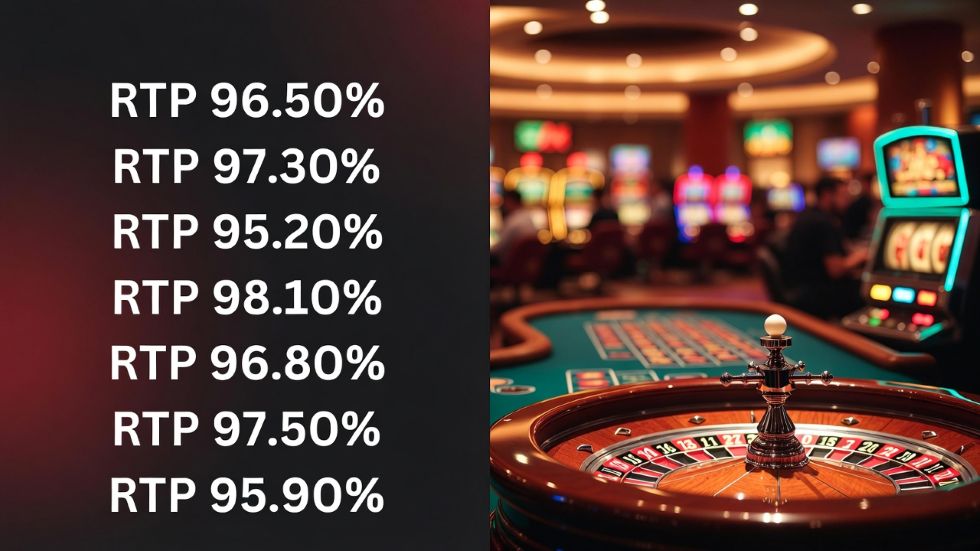
RTP percentages alongside casino graphics

Casino games are built on two foundations: probability and design. Every spin, shuffle, or roll is governed by mathematics, yet what keeps players coming back is the art that surrounds the numbers. From dazzling slot reels to immersive table layouts, visual design transforms risk into an experience that feels both thrilling and personal.

On review platforms like Trustpilot, players often highlight how aesthetics shape their enjoyment. Many comments about top Australian online casinos point to graphics, sound, and layout as deciding factors in whether a game feels engaging or forgettable. Risk may be the constant, but design determines how that risk is perceived.

Why Visual Design Matters

Game developers know that first impressions count. A slot machine with crisp animations and vibrant colors instantly signals entertainment. A roulette table with smooth navigation and clear visuals makes the game feel approachable. These design choices are not accidental. They are carefully crafted to keep players immersed while they weigh the odds.

In Australia’s online casino scene, design often sets platforms apart. Players describe polished interfaces as trustworthy, while clunky or outdated visuals raise doubts. A well-designed game suggests fairness and professionalism, reinforcing confidence in the gambling experience.

Art and Emotional Engagement

Visuals do more than attract attention. They shape emotion and influence perception of risk. A slot themed around ancient mythology creates a sense of adventure, while a retro fruit machine sparks nostalgia. These moods affect how players respond to wins and losses. A cheerful design can soften the sting of losing, while darker themes heighten tension.

Psychological studies show that color, sound, and motion amplify excitement. Bright flashes after a win, celebratory music, or subtle animations reinforce the thrill of chance. This blend of art and probability keeps players engaged, often making risk feel like part of the story rather than a cold calculation.

Player Feedback on Casino Aesthetics

Trustpilot reviews reveal how players connect design with experience. Many praise casinos that balance beauty with usability. Games that load quickly, with clear instructions and responsive controls, earn positive feedback. Complaints often focus on cluttered layouts or confusing navigation, which make risk feel frustrating instead of fun.

One player noted that a visually stunning slot kept them playing longer than expected, even though the odds were average. Another said a poorly designed interface made them question fairness. These insights show how aesthetics directly influence trust and engagement, shaping the gambling journey as much as probability does.

Tips for Choosing Games

Players who want to balance art and risk can use a few simple strategies. Beyond design and probability, it also helps to stay mindful of responsible play. Resources like avoiding gambling addiction provide practical insights into how slot games work and how awareness can improve decision-making. A few tips include:

  • Check the RTP: Return-to-player percentages reveal the mathematical side of risk. A beautiful game with a low RTP may not be worth the time.
  • Match mood to preference: Choose themes that fit your style, whether adventurous, relaxing, or competitive.
  • Read reviews: Player feedback often highlights whether design enhances or distracts from fair play.
  • Balance fun with odds: Enjoy the visuals, but remember that probability drives every outcome.

Casinos that combine strong design with transparent odds tend to earn better reputations. This balance creates a more satisfying experience, where risk feels like part of the adventure rather than a hidden trap. For many, the best platforms are those that make art and mathematics work together seamlessly.

Conclusion

Art and risk are inseparable in online gambling. Visual design draws players in, while probability defines the outcome. Together, they create the rhythm of play, a mix of excitement, tension, and reward. Reviews show that aesthetics can enhance trust and enjoyment, but understanding odds remains essential. For those exploring top Australian online casinos, the most rewarding experiences come from games that balance beauty with fairness, turning risk into a crafted journey rather than a blind gamble.

The Art of Risk: Visual Design Meets Chance at JonBet Casino

Studies in digital behavior show that color, motion, and layout can change how people judge risk in seconds. Online casinos use this knowledge every day. What looks like simple decoration often shapes emotion, confidence, and the urge to keep playing. At JonBet Casino, visual design works like a silent guide, leading players through moments of excitement and tension.

Open the interface and the experience feels closer to an art gallery than a betting slip. The Jon Bet app greets users with bold tones, smooth animations, and a layout that feels controlled rather than chaotic. Buttons glow softly. Game tiles move with purpose. The design lowers friction and builds trust before a single wager is placed. This is where psychology meets style.

Color as a Signal of Emotion

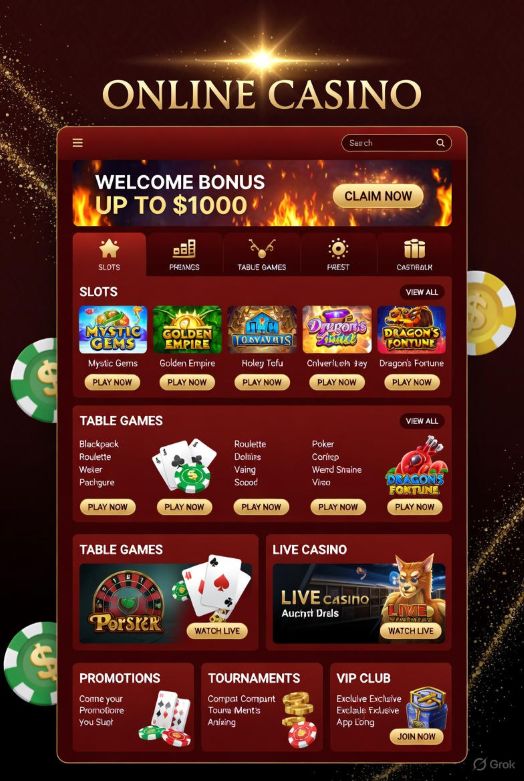
modern online casino interfaceColor choices are rarely random in gambling design. JonBet leans into deep reds, gold accents, and dark backgrounds. Red sparks urgency and excitement. Gold hints at value and reward. Dark shades create contrast that makes bright elements stand out. Together, these choices push attention toward action points like spin buttons and bet sliders.

Calmer tones appear at key moments. Balance displays and menus often use softer colors. This helps players feel stable and in control, even when outcomes are uncertain. The shift between intense and calm visuals mirrors the rhythm of risk and release.

Motion That Feels Alive

Animations play a major role in shaping how chance feels. At JonBet, motion is smooth and paced. Reels spin with weight. Cards flip with a clean snap. Wins trigger bursts of light and movement, even when payouts are small.

This matters because motion rewards attention. Each animation acts like feedback, telling the brain that something meaningful just happened. Losses fade quickly, while wins linger visually. Over time, this imbalance can tilt perception, making play feel more positive than the numbers suggest.

Graphics That Turn Games into Art

Many games on the platform use detailed illustrations rather than plain symbols. Slot themes feature stylized characters, textured backgrounds, and cinematic lighting. Table games use polished surfaces and realistic shadows. These graphics raise the perceived value of each round.

When a game looks crafted, players tend to treat it as an experience rather than a transaction. Risk feels wrapped in entertainment. The line between playing and wagering grows softer, which keeps sessions flowing.

Interface Design and Control

Layout is another quiet influence. JonBet places key controls within easy reach. Bet size, auto-play options, and exit buttons are clear and consistent across games. This reduces mental effort. When decisions feel simple, people make them faster.

Progress bars, timers, and subtle sound cues add structure. They suggest momentum and continuity. Players sense movement forward, even when outcomes vary. This design choice supports longer engagement without obvious pressure.

Risk Framed as Entertainment

The overall effect is a reframing of hazard. Gambling still involves chance, but the presentation feels playful and refined. Visual polish softens sharp edges. Losses look temporary. Wins feel cinematic.

Within the Jon Bet app ecosystem, this balance keeps risk present but less intimidating. Players are encouraged to focus on flow and enjoyment rather than probability. That shift in focus is powerful.

READ ALSO: Responsible Gambling in the Age of Online Lotteries

Why Design Awareness Matters

Understanding visual influence helps players make clearer choices. When people recognize how colors, motion, and graphics guide emotion, they can pause and reflect. Design does not force behavior, but it nudges it.

JonBet shows how thoughtful visuals can turn gambling into a form of digital art. The experience is engaging and polished. At the same time, awareness brings balance. Enjoyment grows when players see both the beauty and the risk.

In the end, the Jon Bet app proves that online casinos are no longer just platforms for wagers. They are designed spaces where art and chance meet, shaping how risk feels with every click.

𐌢