
Global spending on digital collectibles reached billions of dollars during the NFT (Non-Fungible Tokens) boom, while online gambling platforms simultaneously expanded into crypto-based ecosystems. Reports from Chainalysis and DappRadar show that NFT trading and blockchain gaming continue to overlap in ways that did not exist a decade ago. What started as separate online communities has gradually evolved into a shared digital culture where art collectors, cryptocurrency traders, and casino users often interact in the same virtual spaces.
The connection between art and gambling has become more visible through NFT casino partnerships involving digital artists, token-based collectibles, and blockchain reward systems. According to Reuters, several NFT marketplaces and crypto gaming platforms began collaborating with independent artists during the peak of NFT adoption, creating limited-edition collections tied to casino ecosystems and online gaming identities. This shift reflects a larger cultural trend where digital ownership, entertainment, and speculative spending increasingly intersect.
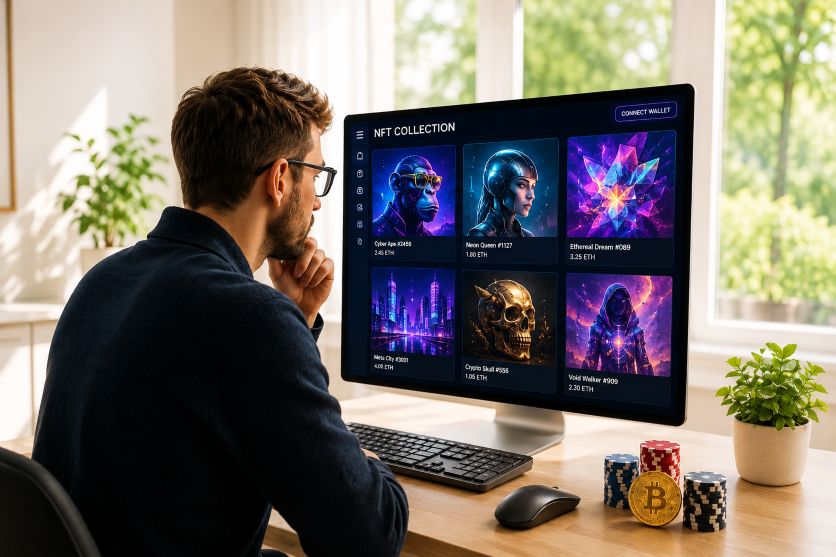
The Rise of NFT Culture Inside Online Casinos
NFTs, or non-fungible tokens, were originally promoted as digital ownership certificates linked to art, music, and collectibles. Over time, blockchain casinos noticed that many NFT buyers already operated within cryptocurrency communities familiar with decentralized finance, digital wallets, and token speculation.
That overlap created a natural entry point. Some crypto casinos started introducing NFT membership passes, collectible avatars, and digital artwork connected to player accounts. Others expanded further by commissioning exclusive art collections from digital creators. Instead of traditional loyalty systems, users could hold blockchain-based assets that carried access privileges or ecosystem utility.
McKinsey & Company has noted that younger digital consumers increasingly value online identity and virtual ownership alongside physical possessions. NFT casinos appear to be tapping into that mindset by presenting digital collectibles as part of the entertainment experience rather than separate investments.
In many cases, the artwork itself became a marketing tool. Limited-edition collections often generated online discussion because they blended visual culture with gaming communities. The result resembles a hybrid environment where digital galleries and gambling platforms coexist.
When Collecting Starts Looking Like Speculation
Traditional art markets have always involved elements of risk and speculation. Auction prices fluctuate. Collector demand changes over time. Trends can shift quickly depending on cultural attention.
NFT casino ecosystems intensified those dynamics because many digital collectibles became tied to token prices and cryptocurrency volatility. A piece of digital art could rise or fall in perceived value within hours depending on market sentiment.
The Financial Times reported that NFT investors frequently approached purchases with a combination of collector enthusiasm and financial expectation. That same mindset can appear within blockchain gambling environments, where digital assets are sometimes viewed as entertainment items and speculative holdings at the same time.
This creates an unusual cultural crossover. A collector who originally entered the space for digital art may eventually interact with casino features connected to the same token ecosystem. Meanwhile, gambling users may begin purchasing NFTs for status, access, or community recognition.
The boundary separating entertainment spending from speculative investing becomes less obvious in these environments. That ambiguity is one reason regulators and financial analysts continue monitoring the growth of blockchain-based gambling systems.
Artists Are Entering the Casino Economy
One of the more surprising developments is the growing role of artists within crypto gambling ecosystems. Digital creators are no longer limited to selling standalone NFT artwork through marketplaces. Some are now collaborating directly with gaming brands and casino platforms.
These partnerships can involve custom avatar collections, animated digital collectibles, or tokenized art releases connected to special events. In certain cases, artists receive royalties from secondary sales, giving them ongoing revenue whenever NFTs are traded between users.
Art Basel and Artnet have both discussed how blockchain technology changed royalty structures for digital creators. That financial model attracted artists who previously struggled to monetize online work consistently.
Still, critics argue that these collaborations may blur ethical boundaries between creative culture and gambling promotion. Fine art has traditionally occupied spaces associated with museums, galleries, and collectors. NFT casino partnerships move that work into environments centered around betting activity and speculative spending.
Some creators view the shift as a practical business opportunity. Others remain cautious about linking artistic identity to gambling platforms. The debate continues across digital art communities.
The Passive Income Appeal
Several NFT crypto casinos introduced staking systems that allow users to lock certain tokens into blockchain protocols in exchange for rewards or ecosystem benefits. While staking mechanisms vary between platforms, they often resemble decentralized finance models already common in cryptocurrency markets.
This feature changed the way some users viewed casino-related NFTs. Instead of functioning solely as collectibles, tokens could also operate as assets tied to platform participation.
CoinDesk has reported that staking became one of the fastest-growing segments within blockchain ecosystems because users were attracted to the possibility of generating returns from dormant digital assets. NFT casinos adapted similar structures to encourage long-term ecosystem engagement.
However, financial experts continue warning that crypto staking carries substantial volatility and regulatory uncertainty. Token values can decline sharply, liquidity may disappear during market downturns, and some blockchain projects eventually fail altogether.
For that reason, many analysts caution against viewing NFT casino assets as stable financial instruments. The combination of gambling activity and cryptocurrency speculation can increase financial exposure rather than reduce it.
A New Form of Digital Status
NFT casinos also reflect broader internet trends involving exclusivity and online identity. Certain collections function almost like private club memberships. Owners may gain access to virtual events, restricted chat groups, or special gaming environments.
This mirrors patterns seen in luxury fashion and traditional art collecting, where ownership itself can signal social status. Digital identity has become increasingly valuable within online communities, especially among cryptocurrency users who spend large portions of their social and financial lives online.
Pew Research Center has observed that younger internet users increasingly participate in digital communities where online presence and virtual assets carry emotional and social significance. NFT casino culture appears to fit within that behavioral shift.
At the same time, critics question whether these systems create artificial exclusivity driven primarily by speculative hype. Digital scarcity can be manufactured easily through blockchain coding, which raises ongoing debates about long-term cultural value versus temporary market enthusiasm.
The Regulatory Questions Are Growing
Governments and financial regulators are still determining how NFT gambling ecosystems should be classified. Some countries treat certain token activities as digital assets. Others evaluate them under gambling regulations or securities laws.
The European Gaming and Betting Association has stated that blockchain gambling systems present unique compliance challenges because transactions often cross multiple jurisdictions simultaneously. Ownership structures can also be difficult to trace when decentralized wallets are involved.
Consumer protection remains another major concern. NFT values can fluctuate dramatically, and blockchain gambling systems may expose users to multiple layers of financial risk at once. A user could experience losses tied to gambling activity, cryptocurrency volatility, or declining NFT demand simultaneously.
As regulators continue studying the sector, the long-term future of NFT casinos remains uncertain. Some platforms may evolve into regulated entertainment ecosystems, while others could struggle under changing legal frameworks and shifting consumer interest.
Conclusion
The merging of NFT culture, fine art collecting, and blockchain gambling represents one of the more unusual developments in digital entertainment. What began as separate online communities has gradually transformed into a shared ecosystem shaped by cryptocurrency, digital ownership, and internet identity.
NFT casino platforms now operate at the intersection of speculative finance, creative culture, and online gaming. Artists are entering casino economies. Collectors are interacting with gambling ecosystems. Token holders are exploring staking models tied to digital entertainment platforms. The result is a cultural shift that continues redefining how people view ownership, status, and participation in online spaces.
Still, the combination of digital collectibles and gambling activity also introduces financial and psychological risks. Responsible gambling organizations and financial experts advise users to approach crypto gambling environments carefully, particularly when speculative digital assets are involved. Participation should remain limited to amounts individuals can afford to lose, and users experiencing gambling-related harm should seek professional support.
Whether NFT casinos become a lasting part of digital culture or a short-lived trend, they have already changed the conversation around art, entertainment, and online risk-taking. Related blockchain gaming and crypto collectible systems will likely continue influencing how virtual economies evolve in the years ahead.
