
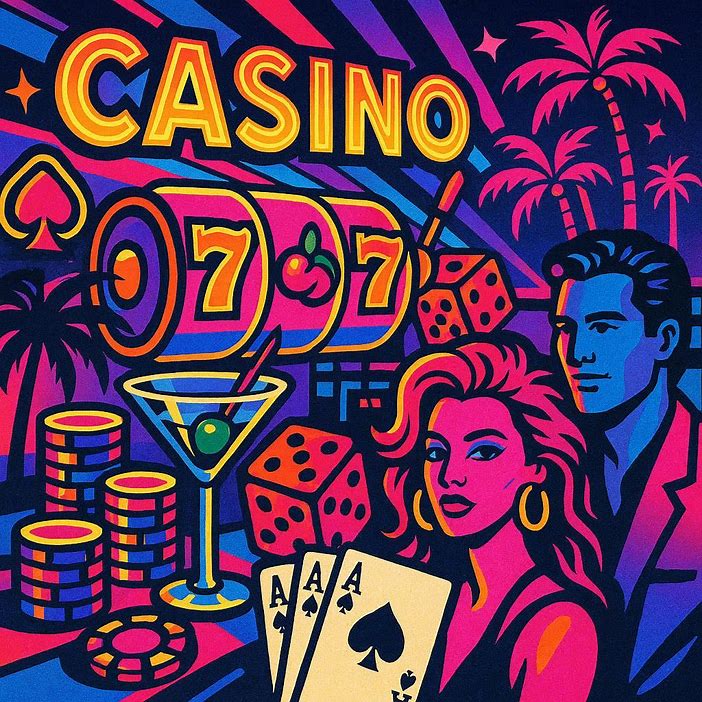
According to the University of Nevada, Las Vegas Center for Gaming Research, casino architecture and visual design have long been tied to entertainment culture, dating back to the lavish gambling halls of the early twentieth century. Risk, after all, has rarely existed in plain spaces. From gold-trimmed European salons to the glowing signs of Las Vegas, environments connected to gambling have often relied on spectacle to shape emotion. Visual art became part of the experience, creating a feeling that chance itself could be theatrical.
That connection between spectacle and risk has only grown stronger in digital culture. Modern gaming platforms now borrow heavily from music videos, retro films, arcade graphics, and nightlife aesthetics. A review of visual trends discussed by design publications such as Creative Bloq and Wired shows how neon palettes and nostalgic interfaces continue to influence entertainment branding online. One example is Spin Fever casino, which uses disco-inspired visuals and vintage graphics as part of a broader entertainment identity rather than presenting gambling as a cold transactional activity.
Risk and Visual Culture Have Always Been Connected
Human societies have long used art to frame uncertainty. Ancient games of chance were often connected to decorated objects, symbolic imagery, and ceremonial spaces. Historians from the Metropolitan Museum of Art have noted that games and visual storytelling frequently developed side by side because both dealt with themes of fate, status, and unpredictability.
Modern casinos inherited that tradition and transformed it into commercial entertainment. Bright carpets, elaborate lighting, and dramatic architecture were designed to create immersion. By the late twentieth century, the casino became more than a place to gamble. It became part theater, part nightlife venue, and part visual fantasy.
Digital platforms adapted the same formula. Instead of chandeliers and giant signs, websites now rely on animated graphics, stylized typography, and color-heavy interfaces. The shift reflects broader changes in online culture where visual identity often matters as much as functionality. Streaming platforms, music festivals, and video games all compete for attention through aesthetics. Gambling-related brands simply operate within the same visual economy.
Casino-Inspired Visuals as a Form of Digital Pop Art
There is an argument that casino visuals now function as a kind of digital pop art. Pop art traditionally borrowed from advertising, celebrity culture, and consumer products. Today’s online entertainment branding does something similar by remixing older cultural symbols into modern digital forms.
Neon gradients, pixel-style graphics, chrome lettering, and retro-futuristic animations have become common across entertainment media. According to the design publication Dezeen, nostalgic visual styles continue to influence creative industries because familiar imagery creates emotional recognition in crowded digital spaces.
Casino-themed platforms fit naturally into that movement because gambling spaces have always relied on visual drama. Bright lights symbolize excitement. Animated wheels and flashing icons suggest movement and uncertainty. Even the sound design often mirrors arcade machines or nightclub environments.
Critics sometimes dismiss these visuals as shallow branding, yet they reveal something important about modern entertainment culture. Many people no longer separate gaming, nightlife, streaming culture, and digital art into strict categories. They blend together online. A casino-inspired interface can resemble a retro music poster just as easily as it resembles a traditional gambling hall.
That crossover explains why some entertainment designers treat gambling visuals less as direct sales tools and more as mood-driven cultural references. The retro gaming aesthetic associated with certain casino platforms reflects broader nostalgia trends visible across fashion, music videos, and graphic design.
The Counterpoint, When Style Softens the Reality of Risk
Despite the creative appeal of these visual styles, criticism remains important. Gambling researchers have repeatedly warned that polished entertainment branding can blur the seriousness of financial risk. According to the UK Gambling Commission, visual presentation and digital engagement tools can influence how users emotionally respond to gambling environments.
The concern is not simply about bright colors or music-inspired graphics. It is about how atmosphere affects perception. When risk is wrapped in playful or glamorous imagery, people may view gambling as less serious than it truly is.
This debate mirrors older cultural conversations around advertising and entertainment. Hollywood films romanticized casinos for decades. Music videos and celebrity culture often portrayed gambling as part of luxury nightlife. Digital platforms inherited many of those same visual habits, sometimes without fully acknowledging their psychological effect.
Supporters of artistic freedom counter that visuals alone should not carry the blame for irresponsible behavior. They argue that design is part of storytelling and cultural expression. Neon graphics, vintage fonts, and disco-inspired themes exist throughout entertainment media, from concert promotions to fashion campaigns.
Still, the debate remains unresolved because both sides hold some truth. Visual culture shapes emotional response. At the same time, audiences are capable of recognizing style as style. The challenge lies in maintaining transparency about risk while still allowing creative expression.
The Return of Disco Aesthetics in Online Entertainment
The revival of disco-inspired visuals says a great deal about modern nostalgia. Over the past decade, reflective chrome textures, synth-inspired color palettes, and nightlife imagery have returned across digital media. According to trend analysts at WGSN, retro-futurism became popular partly because it combines comfort from the past with optimism about technology.
Platforms associated with gaming entertainment have embraced this trend enthusiastically. The visual identity connected to the Spin Fever gaming platform, for example, leans into glowing pinks, electric blues, mirrored effects, and dance-floor energy. These references evoke nightclub posters and vintage arcade culture rather than traditional casino luxury.
That distinction matters because modern audiences often respond more strongly to cultural nostalgia than formal elegance. Younger adults grew up surrounded by remastered video games, vinyl revivals, and retro streaming aesthetics. Designers understand that references to older entertainment eras create familiarity in fast-moving digital spaces.
Yet the appeal is not entirely nostalgic. Retro graphics also communicate escape. They suggest an alternate environment where everyday routines feel temporarily suspended. Casinos historically relied on the same emotional principle. Digital platforms simply reinterpret it through internet-age design language. Discussions around visual design and decision-making in online gambling also show how aesthetics influence emotional perception, especially in online entertainment spaces where color, animation, and interface design shape the overall atmosphere.
Entertainment Branding and the Future of Visual Culture
The broader influence of casino-inspired design now extends beyond gambling platforms themselves. Neon typography, animated reward systems, and immersive interfaces appear in music apps, livestream platforms, and mobile games. Entertainment branding increasingly borrows from the emotional intensity once associated mainly with casinos and arcades.
This raises larger cultural questions about attention and stimulation in digital life. As companies compete for engagement, visual environments become louder and more emotionally charged. The blending of retro nightlife aesthetics with modern interfaces reflects a wider trend where digital products aim to feel immersive rather than neutral.
At the same time, conversations about responsibility cannot be ignored. Gambling carries financial and emotional risks, and no amount of artistic styling changes that reality. Organizations such as the National Council on Problem Gambling continue to encourage balanced messaging and awareness around gambling-related harm.
Ultimately, the glowing visuals surrounding today’s digital casino entertainment tell a story larger than gambling itself. They reflect society’s fascination with spectacle, nostalgia, and emotional immersion. Whether viewed as creative pop art or as branding that risks softening serious realities, these aesthetics continue to influence how people experience digital culture. The retro-inspired casino aesthetic, with its neon colors and nightlife energy, has become one more example of how entertainment imagery reshapes the visual language of the internet.
People engaging with gambling-related entertainment should always approach it carefully and remain aware of the financial risks involved. Visual design may create atmosphere and cultural appeal, but responsible decision-making remains more important than any aesthetic experience.
