Author: Lotye Duffet
Designing Risk: How Casino Interfaces Blend Psychology, Visual Art, and Player Retention
According to the British Psychological Society, digital environments are increasingly designed to influence human behavior, often using subtle cues that guide decision-making. Online casinos exemplify this trend, where interface design is not simply aesthetic but a calculated form of persuasion. Every color, sound, and animation is carefully chosen to sustain engagement and encourage repeated interaction.
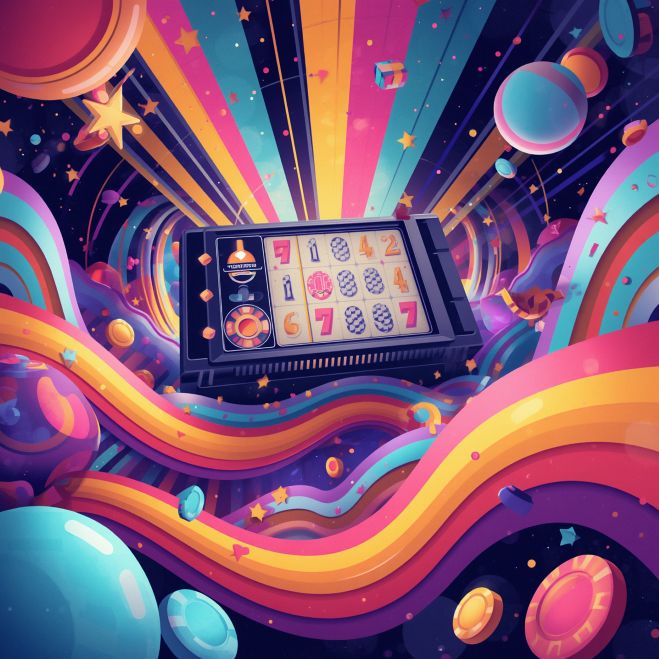
Colors and motion are central to this persuasive architecture. Bright reds and golds signal urgency and reward, while cooler tones create moments of calm between high-stakes decisions. Animations simulate the thrill of physical slot machines, and sound design reinforces the sense of anticipation. Reward feedback loops, such as flashing lights or celebratory tones after small wins, are engineered to keep players immersed. Platforms like non UK casinos that accept UK players often experiment more freely with these elements, offering a glimpse into how design flexibility can shape user experience beyond regulatory boundaries.
Colors, Animation, and Sound Design
Visual and auditory cues are not incidental. They are rooted in behavioral psychology. Research from the University of Nevada, Las Vegas highlights how slot machine sounds trigger dopamine responses, reinforcing the cycle of play. Similarly, color palettes are chosen to evoke emotional states—red for excitement, green for reassurance, and blue for trust. Animation adds dynamism, simulating the unpredictability of chance. Together, these elements create a sensory environment where risk feels both thrilling and manageable.
Risk Aesthetics in Online Gambling
The concept of “risk aesthetics” describes how design choices frame uncertainty as entertainment. Online casinos use suspenseful pauses, escalating sound effects, and visual metaphors of treasure or fortune to transform risk into spectacle. This aestheticization of chance blurs the line between art and psychology. It is not merely about winning or losing but about sustaining a narrative of possibility. The interface becomes a stage where risk itself is the performance.
UK-Regulated Interfaces vs Offshore Creativity
UK-regulated platforms operate under strict guidelines set by the UK Gambling Commission, which limit the use of certain visual and auditory triggers to reduce addictive behaviors. For example, autoplay restrictions and mandatory “reality checks” are designed to interrupt continuous play. Offshore platforms, however, often bypass these constraints. Their interfaces may feature more elaborate animations, layered soundscapes, and experimental reward systems. This divergence illustrates how regulation shapes design, with UK casinos prioritizing harm reduction while offshore sites emphasize immersion.
Interface Experimentation and Offshore Platforms
Offshore operators, including alternative sites similar to international casinos accessible to UK audiences, often push boundaries in interface design. Their freedom allows them to test unconventional layouts, gamified loyalty systems, and immersive visual storytelling. This experimentation reflects a broader trend in digital entertainment, where design innovation is used to differentiate platforms. For players, the appeal lies in novelty, but the risks are heightened when regulatory safeguards are absent. The creative latitude of these platforms underscores the tension between engagement and protection.
Ethical Considerations
The ethical debate centers on whether immersive design enhances entertainment or manipulates vulnerability. According to the World Health Organization, gambling disorder is recognized as a behavioral addiction, influenced by environmental triggers. When interfaces amplify risk aesthetics, they may inadvertently contribute to harmful patterns of play. Ethical design would balance engagement with transparency, ensuring that players understand the risks. Yet commercial pressures often prioritize retention over responsibility, leaving regulators and designers to negotiate the boundaries of persuasion.
READ ALSO: Risk and Reward: How Artists Depict Gambling in Visual Art
Closing Reflection
Casino interfaces are more than digital decoration. They are persuasive systems that blend psychology, visual art, and retention strategies. The contrast between UK-regulated platforms and offshore alternatives highlights how design freedom can both enrich and endanger user experience. International casinos accessible to UK players demonstrate the allure of experimentation, but they also raise questions about accountability. Ultimately, the line between entertainment and manipulation is fragile. Gambling carries inherent risks, and immersive design can intensify them. Players should remain aware that behind every animation and sound effect lies a calculated attempt to sustain engagement. Awareness, therefore, becomes the most important safeguard against environments where art and psychology converge to shape risk.
Warning: Gambling involves financial risk and can lead to addiction. Readers are encouraged to approach online gambling with caution and to seek professional help if play begins to feel compulsive.
Visual Risk Communication: How Graphic Design Influences Perception in Digital Gaming Spaces

The World Health Organization has noted that gambling-related harms can affect financial stability, mental well-being, and social relationships, showing that the way risk information is communicated matters as much as the information itself. Digital environments have become increasingly visual, and design choices now shape how users interpret messages, understand choices, and respond to uncertainty.
Digital gaming spaces rely heavily on visual communication. Interfaces use color, symbols, movement, and layout to guide attention and shape user experience. Sources that discuss platform access and user pathways, including Didihub daftar, demonstrate how visual structures are often used to organize navigation and interaction. Yet visual guidance creates a broader question. When graphics become more influential than written information, perception can shift in ways that users may not immediately recognize.
Risk Communication Challenges in Digital Spaces
Risk communication has always been difficult because people rarely process information through facts alone. Human attention reacts to emotion, familiarity, and visual cues before rational analysis begins. Digital environments make this challenge even more visible.
A person entering a gaming interface encounters many visual elements at once. Icons flash across screens. Colors create emotional responses. Motion effects direct attention toward selected areas. Because users often make quick decisions online, visual design becomes a silent guide.
Despite the importance of clear communication, many platforms struggle to balance engagement with clarity. Risk notices may exist, yet they can be placed in small areas or visually separated from primary interface elements. A message can technically appear on a page without receiving meaningful attention.
The UK Gambling Commission has repeatedly emphasized the importance of transparency and informed decision-making in gambling environments. Clear information supports user awareness, while confusing presentation can weaken understanding.
These challenges become more complex because digital spaces are designed around speed. Users scroll, click, and react quickly. Long text explanations often receive less attention than images or visual indicators. As a result, design itself becomes part of the communication process.
The Influence of Colors and Imagery
Colors have psychological effects that influence perception across many industries. Researchers in visual psychology have long observed that color can affect mood, attention, and emotional response.
The American Psychological Association has discussed how environmental and visual factors can influence cognitive responses and decision patterns. Bright colors frequently attract attention, while softer tones can create calm or reduce tension.
Within digital gaming environments, colors may create associations even when no direct message is stated. Warm colors often generate energy and urgency. Cooler tones may suggest control or stability. Combined with images and animation, these visual choices create subtle emotional framing.
Imagery also plays a strong role in interpretation. A clean and organized layout may create feelings of trust, while cluttered visuals can increase confusion. Large visual elements often receive immediate attention because the human brain processes images faster than long written explanations.
Visual language extends beyond images themselves. Registration pathways, account access layouts, and user entry systems often depend on design simplicity. A digital sign-up interface or account registration process may appear straightforward because design elements reduce friction. Yet smooth experiences should still preserve transparency and awareness.
Design becomes powerful because it shapes feeling before it shapes thought. People may not consciously notice these effects, but perception often develops through repeated visual exposure.
Responsible Design Approaches
The challenge does not come from visual design itself. Design is essential because digital systems need structure and usability. The question is how visual tools can communicate information responsibly.
A responsible approach begins with balance. Risk-related information should receive visual attention similar to primary content areas. Important notices should not disappear into background colors or small text sizes.
Clear contrast also matters. Readability improves when visual hierarchy supports understanding rather than distraction. Simple layouts often help users process information with less effort.
The Nielsen Norman Group, known for research in user experience design, has highlighted that clarity and usability improve when interfaces reduce cognitive overload. Users generally make better judgments when information is presented in a direct and understandable way.
Responsible design also means considering how people naturally react to visual cues. Designers can encourage informed interaction without creating unnecessary urgency or emotional pressure.
Thoughtful digital registration systems, including user onboarding structures and platform account access pathways, can support better experiences when visual guidance prioritizes understanding over attention capture alone.
READ ALSO: Visual Design, Probability & Experience in Top Australian Online Casinos
Looking Ahead at Future Design Questions
Technology continues to evolve rapidly. Artificial intelligence, adaptive interfaces, and personalized layouts are becoming more common across digital platforms. Future systems may eventually adjust visuals based on individual user behavior.
While personalization may improve usability, it raises new questions. If systems learn emotional responses and adapt visual presentation accordingly, designers will face stronger ethical responsibilities.
Future conversations may move beyond aesthetics and usability alone. Discussions could increasingly focus on transparency, accountability, and user welfare.
Digital environments influence perception because people interact with visual systems every day. Design choices shape attention quietly, often without direct awareness.
Final Thoughts
Gambling environments require careful consideration because visual communication can affect interpretation and behavior. Individuals should remember that gambling involves financial and personal risk. Outcomes are uncertain, and participation can lead to harmful consequences if limits are ignored.
Warning signs such as loss of control, emotional stress, or financial strain should never be overlooked. A responsible account setup process or user access journey should support informed decisions rather than reduce awareness. Strong visual communication therefore serves a larger purpose. It helps people understand what they see before they decide what to do.
Neon Lights, Retro Graphics, and the Art of Risk: How Casino Visuals Borrow From Pop Culture
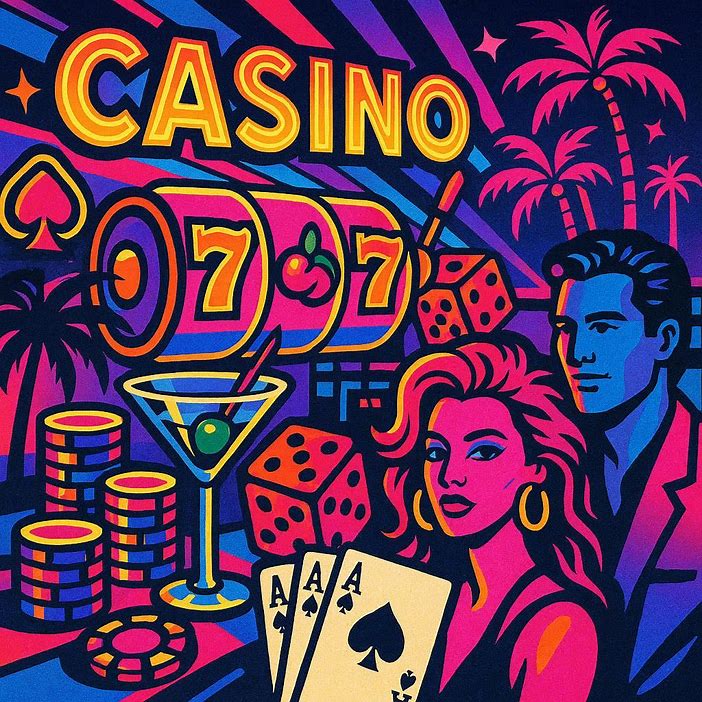
According to the University of Nevada, Las Vegas Center for Gaming Research, casino architecture and visual design have long been tied to entertainment culture, dating back to the lavish gambling halls of the early twentieth century. Risk, after all, has rarely existed in plain spaces. From gold-trimmed European salons to the glowing signs of Las Vegas, environments connected to gambling have often relied on spectacle to shape emotion. Visual art became part of the experience, creating a feeling that chance itself could be theatrical.
That connection between spectacle and risk has only grown stronger in digital culture. Modern gaming platforms now borrow heavily from music videos, retro films, arcade graphics, and nightlife aesthetics. A review of visual trends discussed by design publications such as Creative Bloq and Wired shows how neon palettes and nostalgic interfaces continue to influence entertainment branding online. One example is Spin Fever casino, which uses disco-inspired visuals and vintage graphics as part of a broader entertainment identity rather than presenting gambling as a cold transactional activity.
Risk and Visual Culture Have Always Been Connected
Human societies have long used art to frame uncertainty. Ancient games of chance were often connected to decorated objects, symbolic imagery, and ceremonial spaces. Historians from the Metropolitan Museum of Art have noted that games and visual storytelling frequently developed side by side because both dealt with themes of fate, status, and unpredictability.
Modern casinos inherited that tradition and transformed it into commercial entertainment. Bright carpets, elaborate lighting, and dramatic architecture were designed to create immersion. By the late twentieth century, the casino became more than a place to gamble. It became part theater, part nightlife venue, and part visual fantasy.
Digital platforms adapted the same formula. Instead of chandeliers and giant signs, websites now rely on animated graphics, stylized typography, and color-heavy interfaces. The shift reflects broader changes in online culture where visual identity often matters as much as functionality. Streaming platforms, music festivals, and video games all compete for attention through aesthetics. Gambling-related brands simply operate within the same visual economy.
Casino-Inspired Visuals as a Form of Digital Pop Art
There is an argument that casino visuals now function as a kind of digital pop art. Pop art traditionally borrowed from advertising, celebrity culture, and consumer products. Today’s online entertainment branding does something similar by remixing older cultural symbols into modern digital forms.
Neon gradients, pixel-style graphics, chrome lettering, and retro-futuristic animations have become common across entertainment media. According to the design publication Dezeen, nostalgic visual styles continue to influence creative industries because familiar imagery creates emotional recognition in crowded digital spaces.
Casino-themed platforms fit naturally into that movement because gambling spaces have always relied on visual drama. Bright lights symbolize excitement. Animated wheels and flashing icons suggest movement and uncertainty. Even the sound design often mirrors arcade machines or nightclub environments.
Critics sometimes dismiss these visuals as shallow branding, yet they reveal something important about modern entertainment culture. Many people no longer separate gaming, nightlife, streaming culture, and digital art into strict categories. They blend together online. A casino-inspired interface can resemble a retro music poster just as easily as it resembles a traditional gambling hall.
That crossover explains why some entertainment designers treat gambling visuals less as direct sales tools and more as mood-driven cultural references. The retro gaming aesthetic associated with certain casino platforms reflects broader nostalgia trends visible across fashion, music videos, and graphic design.
The Counterpoint, When Style Softens the Reality of Risk
Despite the creative appeal of these visual styles, criticism remains important. Gambling researchers have repeatedly warned that polished entertainment branding can blur the seriousness of financial risk. According to the UK Gambling Commission, visual presentation and digital engagement tools can influence how users emotionally respond to gambling environments.
The concern is not simply about bright colors or music-inspired graphics. It is about how atmosphere affects perception. When risk is wrapped in playful or glamorous imagery, people may view gambling as less serious than it truly is.
This debate mirrors older cultural conversations around advertising and entertainment. Hollywood films romanticized casinos for decades. Music videos and celebrity culture often portrayed gambling as part of luxury nightlife. Digital platforms inherited many of those same visual habits, sometimes without fully acknowledging their psychological effect.
Supporters of artistic freedom counter that visuals alone should not carry the blame for irresponsible behavior. They argue that design is part of storytelling and cultural expression. Neon graphics, vintage fonts, and disco-inspired themes exist throughout entertainment media, from concert promotions to fashion campaigns.
Still, the debate remains unresolved because both sides hold some truth. Visual culture shapes emotional response. At the same time, audiences are capable of recognizing style as style. The challenge lies in maintaining transparency about risk while still allowing creative expression.
The Return of Disco Aesthetics in Online Entertainment
The revival of disco-inspired visuals says a great deal about modern nostalgia. Over the past decade, reflective chrome textures, synth-inspired color palettes, and nightlife imagery have returned across digital media. According to trend analysts at WGSN, retro-futurism became popular partly because it combines comfort from the past with optimism about technology.
Platforms associated with gaming entertainment have embraced this trend enthusiastically. The visual identity connected to the Spin Fever gaming platform, for example, leans into glowing pinks, electric blues, mirrored effects, and dance-floor energy. These references evoke nightclub posters and vintage arcade culture rather than traditional casino luxury.
That distinction matters because modern audiences often respond more strongly to cultural nostalgia than formal elegance. Younger adults grew up surrounded by remastered video games, vinyl revivals, and retro streaming aesthetics. Designers understand that references to older entertainment eras create familiarity in fast-moving digital spaces.
Yet the appeal is not entirely nostalgic. Retro graphics also communicate escape. They suggest an alternate environment where everyday routines feel temporarily suspended. Casinos historically relied on the same emotional principle. Digital platforms simply reinterpret it through internet-age design language. Discussions around visual design and decision-making in online gambling also show how aesthetics influence emotional perception, especially in online entertainment spaces where color, animation, and interface design shape the overall atmosphere.
Entertainment Branding and the Future of Visual Culture
The broader influence of casino-inspired design now extends beyond gambling platforms themselves. Neon typography, animated reward systems, and immersive interfaces appear in music apps, livestream platforms, and mobile games. Entertainment branding increasingly borrows from the emotional intensity once associated mainly with casinos and arcades.
This raises larger cultural questions about attention and stimulation in digital life. As companies compete for engagement, visual environments become louder and more emotionally charged. The blending of retro nightlife aesthetics with modern interfaces reflects a wider trend where digital products aim to feel immersive rather than neutral.
At the same time, conversations about responsibility cannot be ignored. Gambling carries financial and emotional risks, and no amount of artistic styling changes that reality. Organizations such as the National Council on Problem Gambling continue to encourage balanced messaging and awareness around gambling-related harm.
Ultimately, the glowing visuals surrounding today’s digital casino entertainment tell a story larger than gambling itself. They reflect society’s fascination with spectacle, nostalgia, and emotional immersion. Whether viewed as creative pop art or as branding that risks softening serious realities, these aesthetics continue to influence how people experience digital culture. The retro-inspired casino aesthetic, with its neon colors and nightlife energy, has become one more example of how entertainment imagery reshapes the visual language of the internet.
People engaging with gambling-related entertainment should always approach it carefully and remain aware of the financial risks involved. Visual design may create atmosphere and cultural appeal, but responsible decision-making remains more important than any aesthetic experience.
Roblox Virtual Item Economies and the Role of Aesthetic Value in Digital Trading Systems

Roblox reports indicate that tens of millions of users interact daily with user-generated experiences, many of which include virtual trading systems centered on cosmetic items such as knives, skins, and collectible accessories. Over time, these digital assets have expanded beyond basic customization features and have become part of a broader visual economy in which rarity, design complexity, and perceived value influence user behavior.
Within this ecosystem, some third-party platforms, sometimes referred to in online discussions using phrases such as
best roblox gambling sites, have developed around the trading and exchange of in-game items, including assets associated with games such as Murder Mystery 2. In certain cases, these platforms incorporate structures that resemble chance-based or wagering-style systems linked to digital item value. Industry reports, including those from the Entertainment Software Association (ESA), note that cosmetic-driven economies are a significant engagement factor in online games, particularly among younger audiences who engage with customization and identity expression features.
The Visual Economy of Roblox Trading Culture
A defining characteristic of Roblox is its emphasis on user-generated visual design. Players engage with interactive environments built from stylized assets and collectible digital objects. Among the most prominent of these are cosmetic items in games like Murder Mystery 2, where design detail and rarity often function as indicators of status within player communities.
These items can carry social meaning beyond gameplay mechanics. Rare or limited cosmetic items may function as identity markers within virtual environments, influencing how users are perceived in social interactions. Research from the Pew Research Center has noted that younger users of digital platforms often associate virtual ownership with self-expression, treating digital collectibles as extensions of personal identity.
From Aesthetic Value to Speculative Interpretation
In some parts of the digital item ecosystem, the interpretation of cosmetic assets shifts from aesthetic appreciation to speculative valuation. This is particularly evident in environments where third-party platforms introduce mechanisms resembling chance-based outcomes linked to item exchange or valuation.
In such contexts, visual design elements may be evaluated not only for artistic characteristics but also for their perceived trading potential, probability outcomes, or market variability. Observations from organizations such as the International Game Developers Association (IGDA) have raised concerns that when cosmetic items are integrated into systems resembling gambling mechanics, the original artistic intent of digital design may become secondary to short-term value assessment.
This shift reflects a broader trend in digital economies where visual design and probabilistic systems intersect. In these environments, aesthetic features may be interpreted through frameworks influenced by risk and reward structures rather than purely creative evaluation.
Visual Rarity and Behavioral Influence
Despite uncertainty in value outcomes, visually distinctive items often attract consistent user interest. Features such as bright animations, limited availability, and high-detail design contribute to perceived uniqueness. These design elements can influence how rarity is interpreted within trading communities.
Research in behavioral economics, including findings referenced by McKinsey & Company, indicates that scarcity cues can affect decision-making even in non-traditional financial environments. Applied to digital item ecosystems, this suggests that visually rare cosmetic items may be perceived as having higher potential value based on their limited availability.
As a result, rarity can become associated with opportunity within trading systems. In environments where item exchange is linked to variable outcomes, visual distinctiveness may influence participation patterns and perceived desirability.
Digital Collectibles and the Influence of Trading Systems
The structure of digital trading environments can influence how users interpret the value of cosmetic items. In systems where external platforms introduce chance-based or market-driven mechanics, items may function simultaneously as aesthetic objects and as components within broader exchange systems.
Research on digital behavior, including studies referenced by the World Health Organization, has highlighted that unpredictable reward systems in digital environments can contribute to sustained engagement patterns. These dynamics are often analyzed in relation to how users respond to variability and reward uncertainty.
Education about digital asset systems is one approach used in discussions around these environments. Understanding how cosmetic items are designed, how rarity systems function, and how trading dynamics operate can provide context for interpreting value structures. Game developers also contribute by defining how cosmetic features are separated from external exchange systems.
Community norms within trading environments can also influence behavior. Communities that emphasize design, creativity, and gameplay experience may contribute to a more design-focused interpretation of digital assets rather than a purely speculative one.
Balancing Aesthetic Interpretation and Systemic Risk Factors
The development of Roblox’s virtual item economy reflects a broader trend in digital platforms where visual design, identity representation, and economic systems intersect. Cosmetic items in games such as Murder Mystery 2 function both as creative expressions and as components within user-driven trading environments.
However, when external systems introduce mechanisms resembling speculative exchange, the interpretation of these items may shift toward risk-based valuation models. This creates a dual perception in which digital items are understood both as aesthetic objects and as variable-value assets. A related discussion of how design influences user perception in wagering-style digital environments can be found in analyses of art and gambling design in iGaming platforms. These analyses examine how visual structure, interface design, and aesthetic cues can affect interpretation of value and engagement patterns.
Maintaining clarity between these interpretations requires distinguishing between creative design elements and external valuation systems. In doing so, digital items can be understood within both artistic and economic contexts without conflating the two.
The Art of Risk: How Mobile Slot Games Blur Boundaries Between Hazard and Design
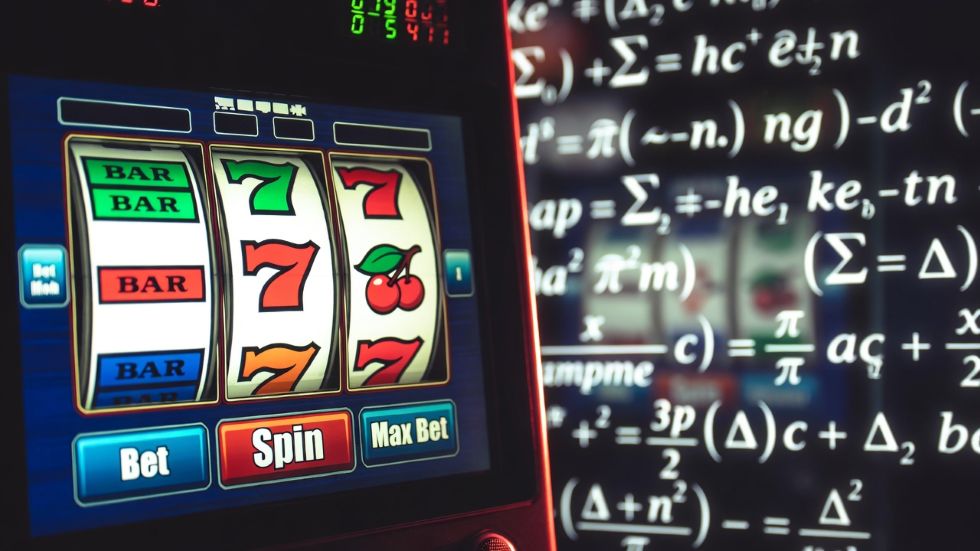
Color, sound, and motion influence how people judge risk. Research cited by the American Psychological Association shows that visual cues can change how people perceive uncertainty and reward. Bright colors, celebratory animations, and playful icons can make risky decisions feel lighter, almost harmless. Slot game designers know this well. They build entire visual worlds around that psychological quirk.
Data trends shared by the online slot games platform ecosystem show how much effort goes into visual presentation. Game developers track how players respond to symbols, sound effects, and animation timing. It is less about spinning reels and more about stagecraft. A spinning slot reel today feels closer to a tiny animated movie than a mechanical game.
Design That Speaks Without Words
Mobile slot games rarely explain risk directly. Instead, they show it. A glowing treasure chest suggests reward. A fiery red background signals intensity. Even the speed of a spinning reel can shape a player’s emotional state.
This visual language works because humans read symbols instinctively. Think about traffic lights. Nobody studies them after childhood. Green means go, red means stop. Slot designers borrow that same instinctive reaction.
A designer once joked during a gaming conference panel that slot games are “cartoons about probability.” That line stuck with me. It sounds funny, yet it is strangely accurate. Everything is exaggerated. Coins explode across the screen. Fireworks appear after small wins. The drama is intentional.
Players do not see mathematical odds. They see adventure.
The Iconography of Excitement
Traditional casino machines relied on simple symbols like cherries, bells, and sevens. Mobile slots have expanded that vocabulary dramatically. Now you see dragons, ancient temples, cyberpunk robots, and cartoon pirates.
Each symbol carries emotional meaning. Gold coins represent wealth. Lightning bolts signal sudden luck. Treasure maps suggest discovery. These visuals quietly frame gambling as a journey rather than a financial risk.
Some developers even test color psychology. Purple often appears in fantasy themed games because it suggests mystery and magic. Green tends to appear in jackpot visuals because it echoes money. These choices look playful. Behind the scenes they come from research.
Game artists sometimes say their work sits halfway between comic illustration and casino engineering. One side focuses on beauty. The other focuses on behavior.
When Beauty Softens Risk
Design can make risk feel smaller than it really is. That idea raises questions. Regulators have started to pay attention.
The UK Gambling Commission and groups like the National Council on Problem Gambling often discuss how game design influences decision making. Fast animations and rewarding sounds can create emotional momentum. A player might spin again before thinking about the cost.
Many artists working in the industry understand this tension. They love designing worlds filled with color and fantasy. At the same time they know their work shapes real behavior.
A designer friend once told me something refreshingly honest. “We try to create joy,” he said. “But sometimes joy needs guardrails.”
That mindset has pushed some studios to rethink visual feedback. Certain games now reduce exaggerated celebration after small wins. Others slow down the pacing so players can process outcomes more clearly.
Balancing Aesthetics and Responsibility
Creating a slot game today feels like walking a tightrope. Developers want excitement. Players want entertainment. Regulators want transparency.
The challenge is finding a visual style that thrills players without disguising risk. Some designers look to broader industry shifts for inspiration. Discussions around art and innovation in modern online casinos highlight how newer platforms combine strong visual storytelling with clearer user protections and responsible gaming tools. These approaches show that design can elevate the experience while still respecting player awareness and trust.
Some studios experiment with subtle cues. They may show realistic coin values instead of endless gold showers. Others design calmer interfaces that feel closer to puzzle games than flashy arcades. Even typography matters. Large jackpot numbers can feel dramatic. Smaller numbers look more grounded.
Meanwhile, communities built around mobile slot apps continue to debate where the line should sit. Some players enjoy the theatrical style. Others prefer simpler visuals that feel more honest. That debate is healthy. Art evolves through criticism.
Why the Visual Language Matters
Risk has always been part of gambling. What changed is how beautifully it can be packaged. Mobile graphics engines, animation tools, and sound design have turned slot games into tiny interactive theaters. A single spin can trigger a burst of color, music, and anticipation. The experience feels playful, even when the odds remain unchanged.
Understanding that artistic layer helps players see the full picture. Behind every glowing gem and spinning dragon lies a carefully designed emotional signal.
As mobile gaming continues to grow, the conversation around design and responsibility will likely grow with it. Whether someone explores a casual slot app or experiments with a digital casino environment similar to an online slot gaming hub, awareness becomes part of the experience.
Art will always shape how people feel about risk. Slot games simply make that relationship visible, animated, and impossible to ignore. Even in a colorful mobile interface or a modern online slot games platform environment, the underlying story remains the same. Design can charm the eye, but probability still writes the ending.
The Art of Risk: Visual Design, Probability & Experience in Top Australian Online Casinos
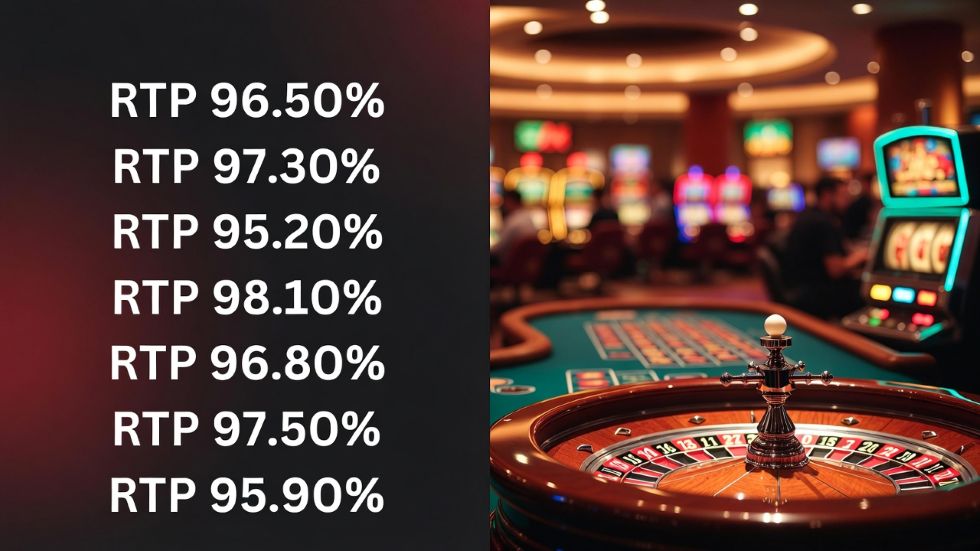
Casino games are built on two foundations: probability and design. Every spin, shuffle, or roll is governed by mathematics, yet what keeps players coming back is the art that surrounds the numbers. From dazzling slot reels to immersive table layouts, visual design transforms risk into an experience that feels both thrilling and personal.
On review platforms like Trustpilot, players often highlight how aesthetics shape their enjoyment. Many comments about top Australian online casinos point to graphics, sound, and layout as deciding factors in whether a game feels engaging or forgettable. Risk may be the constant, but design determines how that risk is perceived.
Why Visual Design Matters
Game developers know that first impressions count. A slot machine with crisp animations and vibrant colors instantly signals entertainment. A roulette table with smooth navigation and clear visuals makes the game feel approachable. These design choices are not accidental. They are carefully crafted to keep players immersed while they weigh the odds.
In Australia’s online casino scene, design often sets platforms apart. Players describe polished interfaces as trustworthy, while clunky or outdated visuals raise doubts. A well-designed game suggests fairness and professionalism, reinforcing confidence in the gambling experience.
Art and Emotional Engagement
Visuals do more than attract attention. They shape emotion and influence perception of risk. A slot themed around ancient mythology creates a sense of adventure, while a retro fruit machine sparks nostalgia. These moods affect how players respond to wins and losses. A cheerful design can soften the sting of losing, while darker themes heighten tension.
Psychological studies show that color, sound, and motion amplify excitement. Bright flashes after a win, celebratory music, or subtle animations reinforce the thrill of chance. This blend of art and probability keeps players engaged, often making risk feel like part of the story rather than a cold calculation.
Player Feedback on Casino Aesthetics
Trustpilot reviews reveal how players connect design with experience. Many praise casinos that balance beauty with usability. Games that load quickly, with clear instructions and responsive controls, earn positive feedback. Complaints often focus on cluttered layouts or confusing navigation, which make risk feel frustrating instead of fun.
One player noted that a visually stunning slot kept them playing longer than expected, even though the odds were average. Another said a poorly designed interface made them question fairness. These insights show how aesthetics directly influence trust and engagement, shaping the gambling journey as much as probability does.
Tips for Choosing Games
Players who want to balance art and risk can use a few simple strategies. Beyond design and probability, it also helps to stay mindful of responsible play. Resources like avoiding gambling addiction provide practical insights into how slot games work and how awareness can improve decision-making. A few tips include:
- Check the RTP: Return-to-player percentages reveal the mathematical side of risk. A beautiful game with a low RTP may not be worth the time.
- Match mood to preference: Choose themes that fit your style, whether adventurous, relaxing, or competitive.
- Read reviews: Player feedback often highlights whether design enhances or distracts from fair play.
- Balance fun with odds: Enjoy the visuals, but remember that probability drives every outcome.
Casinos that combine strong design with transparent odds tend to earn better reputations. This balance creates a more satisfying experience, where risk feels like part of the adventure rather than a hidden trap. For many, the best platforms are those that make art and mathematics work together seamlessly.
Conclusion
Art and risk are inseparable in online gambling. Visual design draws players in, while probability defines the outcome. Together, they create the rhythm of play, a mix of excitement, tension, and reward. Reviews show that aesthetics can enhance trust and enjoyment, but understanding odds remains essential. For those exploring top Australian online casinos, the most rewarding experiences come from games that balance beauty with fairness, turning risk into a crafted journey rather than a blind gamble.
How Gambling App Design Can Hide Dangerous Game Mechanics
Digital gambling apps process millions of bets every day, and research shows that visual cues strongly influence how players judge risk and reward. Colors, motion, and layout can shape emotional responses before a user reads a single rule or odds table.
Open a modern gambling app and the experience often feels closer to a casual game than a betting platform. During account access, even something as routine as the mzplay login is wrapped in friendly colors, smooth animations, and playful icons. These choices set the tone early, suggesting ease and entertainment rather than financial risk.
Color palettes that calm the mind
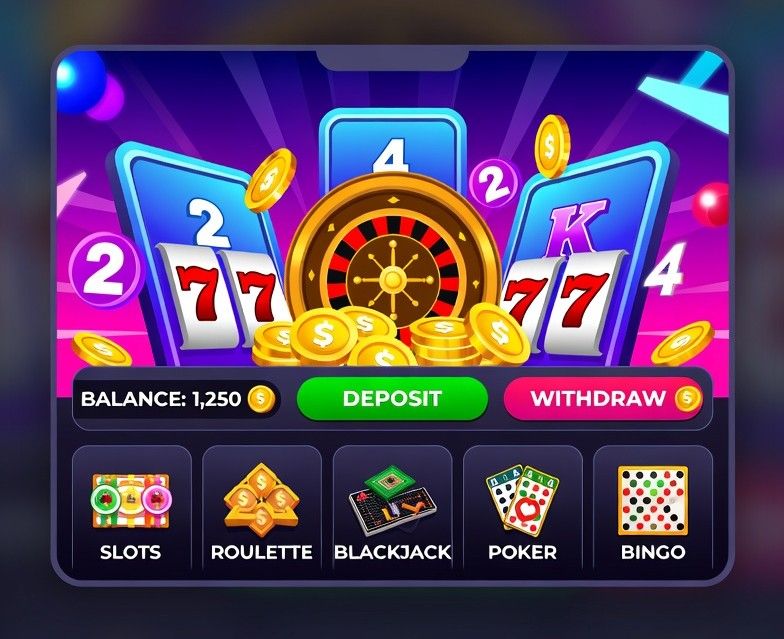
Color psychology plays a major role in gambling app design. Soft blues and greens are commonly used because they signal safety and trust. Warm golds and reds appear during wins, adding excitement and a sense of reward. Loss screens, by contrast, are often muted or brief, reducing emotional impact.
This balance matters. When losses appear visually gentle, players may underestimate how often they occur. Over time, repeated exposure to calming palettes can reduce stress responses, making it easier to continue betting without pause.
Animations that soften losses
Animation is another powerful tool. Chips slide smoothly across the screen, cards flip with flair, and numbers roll upward during payouts. Even when a bet fails, the transition is quick and polished. There is rarely a hard stop or stark visual that forces reflection.
Game designers borrow these techniques from mobile gaming, where flow and continuity keep users engaged. In gambling apps, that same flow can blur the line between entertainment and financial decision making.
User interfaces that hide complexity
High-risk betting systems are complex, but app interfaces often simplify them into clean buttons and clear paths. Odds are tucked behind small icons. Probability details require extra taps. What stands out instead are large play buttons and highlighted bonus offers.
By reducing visible friction, apps make betting feel effortless. The absence of clutter gives a sense of control, even when outcomes are driven by chance. This design approach can lead players to act quickly rather than think critically.
The playful aesthetic of chance
Many gambling apps lean into playful art styles. Cartoon mascots, celebratory confetti, and bright themes frame betting as light fun. This aesthetic lowers perceived seriousness, especially for younger users familiar with casual games.
When chance is presented as play, risk feels smaller. The emotional tone suggests that losing is part of the fun, rather than a real financial setback.
Why perception matters
Visual design does more than decorate an app. It shapes how players feel about money, time, and outcomes. A friendly interface can encourage longer sessions, higher stakes, and faster decisions.
Returning users often recognize familiar visuals during repeat visits, whether browsing games or completing another mzplay login session. That familiarity builds comfort, and comfort can reduce caution.
Design ethics and player awareness
There is growing debate among designers and regulators about ethical boundaries. Some argue that visual clarity and enjoyment are part of good user experience. Others warn that hiding risk behind art crosses a line.
For players, awareness is key. Recognizing how colors, animations, and layouts influence emotion can restore balance. Pausing after losses, checking odds, and setting limits help counter the pull of polished design.
Read also: The Art of Risk: How Jili Slots Fuel Creative Courage in Artists
Seeing past the surface
Gambling apps are carefully crafted experiences. Every visual choice serves a purpose, guiding attention and shaping perception. Understanding this design language helps users make more informed decisions.
Visual art in gambling isn’t just decoration. It frames risk, masks loss, and encourages play. The next time a screen lights up after a spin or a mzplay login opens a world of color, it is worth remembering that beauty can distract from dangerous odds.
The Art of Risk: Visual Design and Decision-Making in Online Gambling
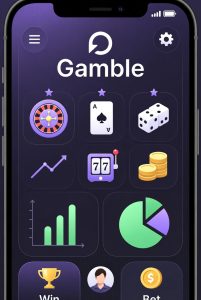 Most online gambling decisions are made in seconds, and studies show that visual cues often guide those choices before odds or rules are read. Color, spacing, and layout work together to shape how risk feels. A calm screen can lower tension, while bright highlights can create urgency. This design layer is not decoration. It is part of how gambling platforms communicate with users and frame each decision.
This is where review and guide sites play a role, because they translate complex platforms into visual stories. Sites like Suprema Bet app pages use screenshots, clean layouts, and structured sections to show what a gambling platform feels like before a user signs up. The design does more than explain features. It suggests order, control, and a sense that risk is organized rather than chaotic.
Design as a First Signal of Trust
When a user lands on a gambling page, design sends an instant message. Neutral backgrounds suggest stability. Consistent fonts suggest clarity. Icons and badges suggest safety. These signals matter because risk is easier to accept when it feels familiar. Review sites lean into this by avoiding clutter and focusing on balance. White space, clear headings, and simple icons help users feel guided instead of pushed.
Images also play a part. Photos of live sports, casino tables, or mobile screens show activity without showing loss. The absence of negative imagery is intentional. Risk is framed as a controlled experience, something that can be managed with the right tools and choices.
Color Psychology and Emotional Flow
Color is one of the strongest tools in gambling design. Green is often linked to success and progress. Blue suggests calm and trust. Red is used carefully, often limited to alerts or key buttons. Review platforms mirror this logic. They highlight bonuses or features with warm tones while keeping the rest of the page calm and readable.
This creates an emotional flow. Users scan calmly, pause at key points, and feel guided toward action. Risk does not disappear, but it feels framed. When users read about betting limits or payment options, the steady design keeps anxiety low and attention focused.
Structured Reviews as Visual Storytelling
Structured reviews turn complex platforms into clear narratives. Sections like platform overview, payment methods, bonuses, and usability act like chapters. Each part answers one question at a time. This pacing matters. When information is broken into steps, users feel more in control of their decisions.
On pages discussing platforms such as Suprema Bet app features, tables and bullet lists help reduce mental load. Users do not need to search for details. Everything feels placed with intent. This structure transforms risk into something that feels measurable and understandable.
Design That Makes Risk Feel Creative
Some gambling designs lean into creativity. Dynamic graphics, smooth animations, and mobile-first layouts suggest innovation. Risk becomes part of a modern lifestyle rather than a cold calculation. Review sites reflect this by using clean visuals that echo app interfaces. Readers can imagine the experience before they try it.
This visual preview lowers barriers. When users feel they already understand how a platform works, the leap into real betting feels smaller. Design does not remove risk, but it reshapes how that risk is perceived.
EXPLORE MORE: Street Art Meets Protest – The Rise of Hazard-Inspired Installations
Why This Matters to Players
Understanding design helps users make better choices. When readers see how layout and imagery guide emotion, they can slow down and think. Review sites act as a buffer. They show the platform through a lens that feels neutral and organized, rather than intense or rushed.
In the end, design is part of the decision-making process. It frames risk as controlled, stylish, or even creative. Platforms and guides that respect this balance give users space to decide with clearer eyes. When readers recognize how visuals shape their feelings, they gain a small but meaningful edge. That awareness changes how Suprema Bet app experiences are viewed, from pure chance to a designed environment where perception plays a powerful role.
The Art of Risk: Visual Design Meets Chance at JonBet Casino
Studies in digital behavior show that color, motion, and layout can change how people judge risk in seconds. Online casinos use this knowledge every day. What looks like simple decoration often shapes emotion, confidence, and the urge to keep playing. At JonBet Casino, visual design works like a silent guide, leading players through moments of excitement and tension.
Open the interface and the experience feels closer to an art gallery than a betting slip. The Jon Bet app greets users with bold tones, smooth animations, and a layout that feels controlled rather than chaotic. Buttons glow softly. Game tiles move with purpose. The design lowers friction and builds trust before a single wager is placed. This is where psychology meets style.
Color as a Signal of Emotion
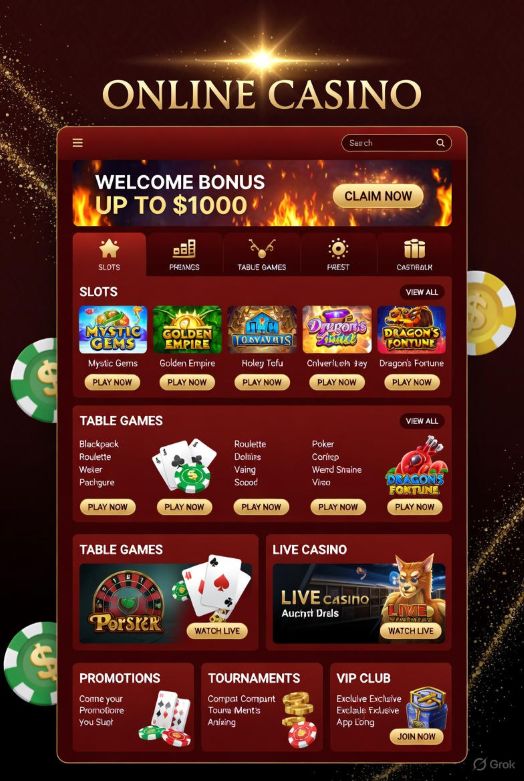 Color choices are rarely random in gambling design. JonBet leans into deep reds, gold accents, and dark backgrounds. Red sparks urgency and excitement. Gold hints at value and reward. Dark shades create contrast that makes bright elements stand out. Together, these choices push attention toward action points like spin buttons and bet sliders.
Calmer tones appear at key moments. Balance displays and menus often use softer colors. This helps players feel stable and in control, even when outcomes are uncertain. The shift between intense and calm visuals mirrors the rhythm of risk and release.
Motion That Feels Alive
Animations play a major role in shaping how chance feels. At JonBet, motion is smooth and paced. Reels spin with weight. Cards flip with a clean snap. Wins trigger bursts of light and movement, even when payouts are small.
This matters because motion rewards attention. Each animation acts like feedback, telling the brain that something meaningful just happened. Losses fade quickly, while wins linger visually. Over time, this imbalance can tilt perception, making play feel more positive than the numbers suggest.
Graphics That Turn Games into Art
Many games on the platform use detailed illustrations rather than plain symbols. Slot themes feature stylized characters, textured backgrounds, and cinematic lighting. Table games use polished surfaces and realistic shadows. These graphics raise the perceived value of each round.
When a game looks crafted, players tend to treat it as an experience rather than a transaction. Risk feels wrapped in entertainment. The line between playing and wagering grows softer, which keeps sessions flowing.
Interface Design and Control
Layout is another quiet influence. JonBet places key controls within easy reach. Bet size, auto-play options, and exit buttons are clear and consistent across games. This reduces mental effort. When decisions feel simple, people make them faster.
Progress bars, timers, and subtle sound cues add structure. They suggest momentum and continuity. Players sense movement forward, even when outcomes vary. This design choice supports longer engagement without obvious pressure.
Risk Framed as Entertainment
The overall effect is a reframing of hazard. Gambling still involves chance, but the presentation feels playful and refined. Visual polish softens sharp edges. Losses look temporary. Wins feel cinematic.
Within the Jon Bet app ecosystem, this balance keeps risk present but less intimidating. Players are encouraged to focus on flow and enjoyment rather than probability. That shift in focus is powerful.
READ ALSO: Responsible Gambling in the Age of Online Lotteries
Why Design Awareness Matters
Understanding visual influence helps players make clearer choices. When people recognize how colors, motion, and graphics guide emotion, they can pause and reflect. Design does not force behavior, but it nudges it.
JonBet shows how thoughtful visuals can turn gambling into a form of digital art. The experience is engaging and polished. At the same time, awareness brings balance. Enjoyment grows when players see both the beauty and the risk.
In the end, the Jon Bet app proves that online casinos are no longer just platforms for wagers. They are designed spaces where art and chance meet, shaping how risk feels with every click.
The Art Behind Vai De Bet Baixar: How Design Shapes Risk and Player Emotion
Online gambling platforms are increasingly using design psychology to influence player behavior. From the first glance at a website to clicking the download button, every visual choice can subtly guide decision-making. Downloading an app might seem purely technical, but platforms like Vai De Bet carefully craft this moment to engage emotions and shape perceptions of risk.
When users decide to Vai De Bet baixar, they encounter a blend of colors, motion, and layout designed to make the process feel effortless and exciting. Bright call-to-action buttons, dynamic animations, and intuitive icons work together to create a sense of anticipation. Each element encourages confidence and curiosity, nudging users toward engaging with the platform’s betting features.
Color Psychology and Emotional Response
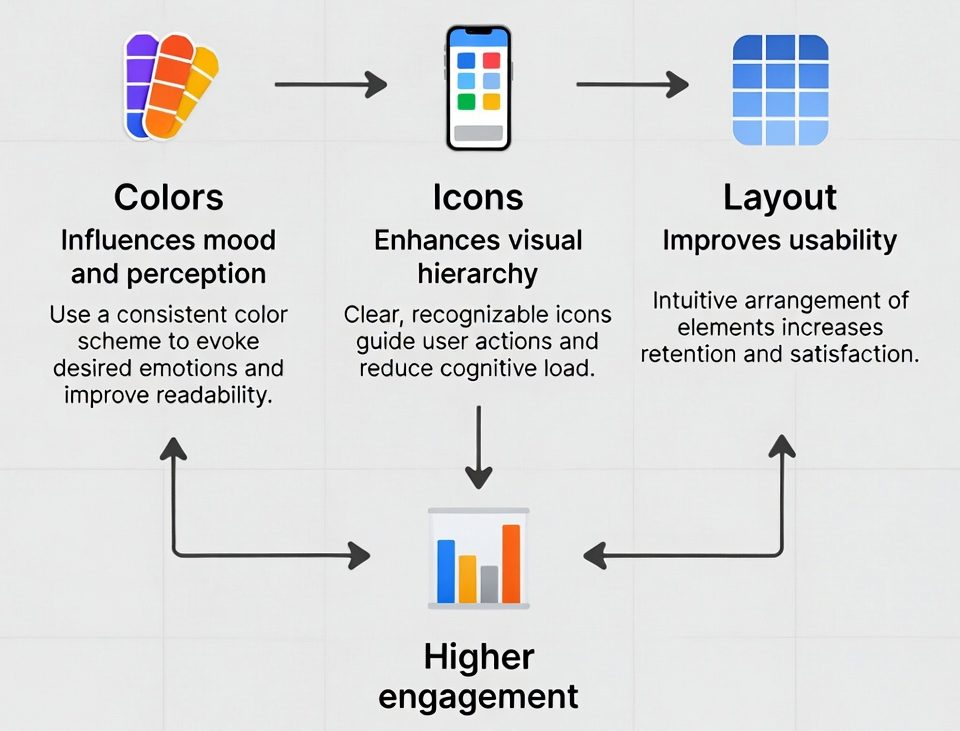
Colors play a crucial role in online gambling interfaces. Warm tones like red and orange convey urgency and excitement. Cool blues and greens suggest reliability and safety. Vai De Bet balances these colors to create a visual environment that feels inviting yet stimulating. The download interface uses these tones to make risk-taking feel natural, guiding players without them consciously realizing it.
Motion and Micro-Interactions
Animation is another powerful tool. Small movements, like buttons that pulse or icons that shift slightly when hovered over, grab attention and provide feedback. These micro-interactions make the app feel responsive and alive, increasing engagement. As players move through the download process, these subtle animations give a sense of progress and control, reducing hesitation and fostering a smooth transition from curiosity to action.
Icons and Visual Hierarchy
Icons are more than decoration. Clear, consistent imagery helps users quickly understand options and navigate the interface. Vai De Bet’s download page uses familiar symbols for security, payment, and accessibility, building trust while keeping the focus on action. The layout prioritizes essential elements, creating a visual hierarchy that draws attention to the download button first and guides players naturally through the process.
Layout and Cognitive Flow
The placement of elements affects cognitive load. A well-structured page minimizes confusion and decision fatigue. Vai De Bet arranges content in a clean, logical flow using spacing and alignment to direct the eye. This clarity makes the act of downloading less intimidating, subtly encouraging users to take the step toward engaging with real-money bets.
Emotional Engagement and Risk Perception
Design also shapes emotional response to risk. By combining color, motion, icons, and layout, Vai De Bet creates a sense of controlled excitement. Players feel both safe and stimulated, making them more likely to explore betting features after downloading. The experience is carefully orchestrated so users associate the platform with both thrill and reliability, enhancing long-term engagement.
READ ALSO: Street Art Meets Protest: The Rise of Hazard-Inspired Installations
Conclusion
Downloading an app like Vai De Bet is more than a technical task. It is a designed emotional journey. Each choice from colors to animations, icons, and layout works together to influence risk-taking and user engagement. Platforms that master this balance can create compelling experiences that feel natural while guiding behavior. When you click to Vai De Bet baixar, you are stepping into a world where design and psychology meet, shaping your interaction and enjoyment from the very first moment.
Online Baccarat Trends Thai Players Are Following, From Side Bets to Live Studios
Macau gaming reports show a sharp rise in baccarat side bets, a shift that now contributes to almost half of table revenue. This change reflects how gamblers want faster action, bigger risks, and more dynamic gameplay. Thai players, who follow regional casino trends closely, have noticed the momentum and are adapting their preferences online.
One reason for this shift is the influence of live dealer platforms from Asia based studios. Thai bettors often look for interactive setups that mirror real casino floors, and many of them are now turning to studios like FinnBet for a more immersive feel. This is where baccarat (บาคาร่า) becomes part of the conversation, especially as players search for sites that deliver stable streams, clear rules, and a fair environment.
The Rise Of Side Bets And Why They Matter
Baccarat tables used to focus mainly on the classic Player, Banker, and Tie options. Today, players want higher rewards and more variety. Side bets add that extra thrill. Options like pairs, perfect pairs, or big and small outcomes give bettors new ways to win. As a result, casinos in Macau have seen a large portion of their revenue coming from these add ons.
Thai players follow this trend because it gives them more control over their strategy. Many online platforms now highlight side bet features, showing odds and sample outcomes to help players decide. The broader range of choices also keeps sessions exciting. Gamers do not feel locked into repetitive patterns, and the variety makes each round feel fresh.
The Pull Of Live Studios Across Asia
Trust plays a major role in online gambling. Many Thai users avoid digital random number generators because they want the reassurance of watching a real dealer handle the cards. This has boosted the popularity of live baccarat studios.
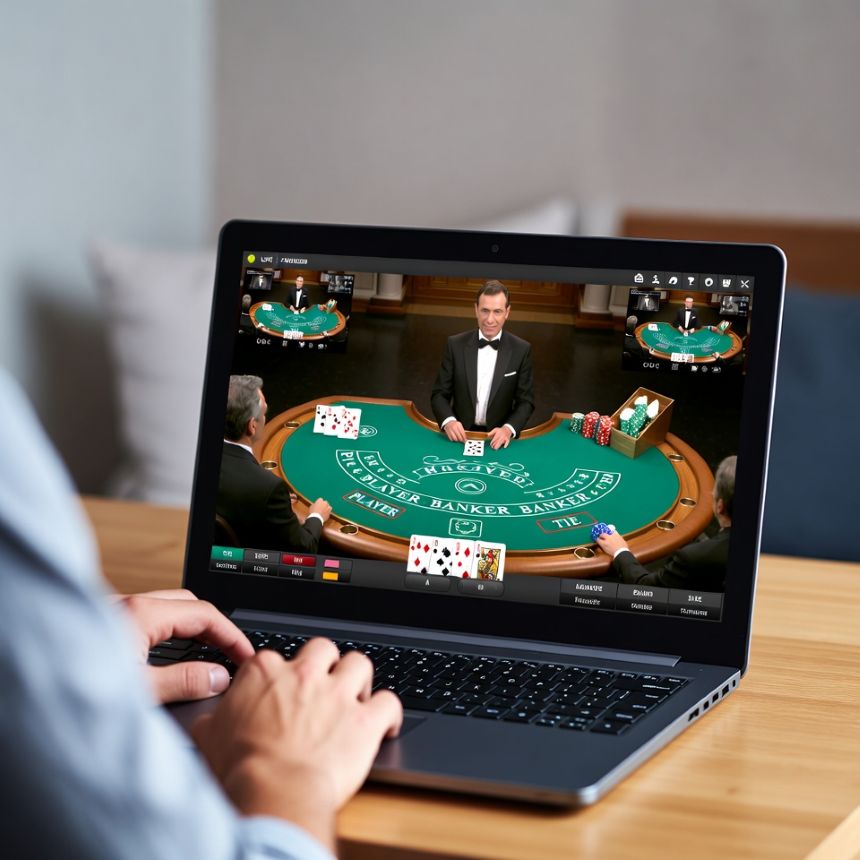
The Cebu live studio is one of the newest hubs attracting attention. Its tables stream in high quality video, and the dealers follow standard casino procedures. This setup addresses the concern of fairness that many Thai players have expressed. It also brings a human touch to a digital experience. When players hear the shuffling, see the cut, and watch the cards placed openly, they feel more confident.
Why These Studios Appeal To Thai Bettors
- Authenticity, The gameplay looks and feels like a casino floor.
- Transparency, Players watch the action unfold in real time.
- Interaction, Dealers engage with the table, which builds trust.
- Comfort, Users enjoy all the benefits of a casino without traveling.
These elements support the growth of online baccarat in Thailand. Side bets and live dealers work well together because players want thrill and assurance at the same time.
How Thai Players Use Trends To Shape Their Play
Many Thai players study table patterns, test side bet combinations, and observe dealer behavior during live games. The rise of advanced streaming studios helps them play with more confidence. Accessibility also helps. More platforms now offer guides, practice tables, and real time statistics that allow users to learn while playing.
Baccarat communities on local forums also discuss how studios like the one in Cebu deliver better latency, fewer drops, and more varied tables. These improvements make online gaming feel smoother and more reliable.
More platforms now offer guides, practice tables, and real time statistics that allow users to learn while playing. For players who want extra guidance, resources such as safe baccarat tips can help them approach each game with more confidence.
Looking Ahead At Online Baccarat Growth
The momentum around baccarat is not slowing down. As more players demand live interaction, platforms will continue building new studios around Asia. Macau revenue trends show that side bets will stay popular. Thai players, who already follow these shifts, will likely continue embracing platforms that blend excitement with fairness. The growth of baccarat gameplay in live casino environments shows how much user experience matters.
The future of online gaming points toward more personalized tables, better streaming technology, and additional betting features. Thai bettors will remain part of this change as they keep looking for secure, engaging, and trustworthy baccarat games.
Conclusion
Baccarat continues to dominate both physical and digital gaming scenes across Asia. Side bets push revenue higher, and live studios make the experience more believable and exciting. Thai players appreciate this balance. The mix of fast paced options and human led gameplay keeps them returning to tables that feel real yet remain accessible from home. These trends suggest that the evolution of live baccarat, and especially the growth of baccarat-focused platforms, will shape how players engage with the game for years to come.
Mapping the Top Online Casino Malaysia Trends: Sports Betting Crossovers, Esports Growth, and Mobile Gaming
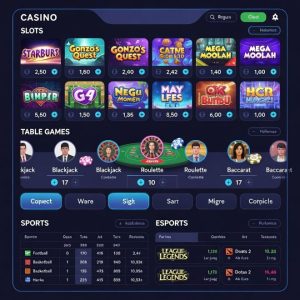 Malaysian gamblers are shifting their habits, exploring a mix of traditional casino games, esports, and sports betting. The rise of online platforms has made it easier for players to move seamlessly between different forms of gambling, and new trends are emerging that are shaping the future of digital betting in Malaysia.
Many players now look for platforms that offer a complete gaming experience. Sites such as Win2U, among the best online casino Malaysia, provide a combination of slots, table games, and sports betting options, giving users the flexibility to switch between games without leaving the platform. This crossover is appealing to both casual players and high-rollers who want variety in their gambling experience.
Sports Betting Crossovers
Traditional sports betting continues to be popular, with football, basketball, and tennis drawing the largest crowds. Malaysian players often combine these bets with casino play, using winnings from one form to fund another. Platforms are now integrating sports odds directly into casino sites, making it easier for users to place bets in real-time while enjoying their favorite casino games.
Live Betting and Real-Time Engagement
Live betting has grown substantially. Players can now place wagers during a match while watching live streams, increasing engagement and excitement. This trend is boosting platform traffic, as users no longer need to log in to separate sports betting sites.
The Rise of Esports Betting
Esports has moved from a niche interest to a major player in Malaysia’s online gambling scene. Games like Dota 2, Mobile Legends, and CS:GO attract younger players who prefer fast-paced action and skill-based betting. Online casinos are adapting by offering esports betting alongside traditional games, allowing players to diversify their strategies and explore new forms of competition.
Popularity Among Younger Players
Esports betting appeals to digital-native audiences. They are comfortable navigating multiple platforms and enjoy the social and interactive aspects of esports tournaments. The trend is forcing traditional casino operators to rethink their offerings, introducing more gamified experiences and competitive events to maintain player interest.
Mobile Gaming Dominance
Mobile devices now account for a significant portion of online gambling activity. Players often choose apps made for phones because they offer convenience and flexibility. For more insight into this shift, check out Why Malaysian punters use the Mega888 app for gambling entertainment, which shows how mobile casinos attract a large share of users in Malaysia. Platforms optimized for mobile use allow players to access casino games, sports bets, and esports on smartphones and tablets without sacrificing speed or functionality.
App Features Driving Engagement
- One-click betting and fast deposit/withdrawal options.
- Live dealer games for a realistic casino feel on mobile.
- Push notifications for live events, promotions, and tournaments.
Platform Integration and User Experience
Integrated platforms are becoming a key differentiator. Players prefer sites where they can access multiple forms of betting without switching accounts. A smooth user interface, clear odds, and reliable payment systems create trust and increase the likelihood of long-term engagement. Platforms that offer these features tend to attract both new and returning players.
Security and Fair Play
With the rise of integrated platforms, security has become critical. Licensed online casinos ensure player data is protected and games are fair. Transparent payout policies and secure payment gateways further build confidence, which is especially important for first-time users exploring sports betting or esports options.
Looking Ahead
The Malaysian online gambling scene is evolving rapidly. Crossovers between casino games, sports betting, and esports are creating diverse experiences for players. Mobile-first platforms, live betting, and integrated ecosystems are setting the stage for future growth. As technology continues to improve, players will have even more opportunities to engage with multiple forms of gambling seamlessly. Platforms that adapt to these trends and offer a holistic experience, such as the best online casino Malaysia, will continue to lead the market.
Understanding these trends helps both players and operators navigate the changing landscape. The integration of sports, esports, and mobile gaming will likely remain the defining feature of Malaysia’s online gambling sector for years to come.