
The Art of Risk: How Mobile Slot Games Blur Boundaries Between Hazard and Design
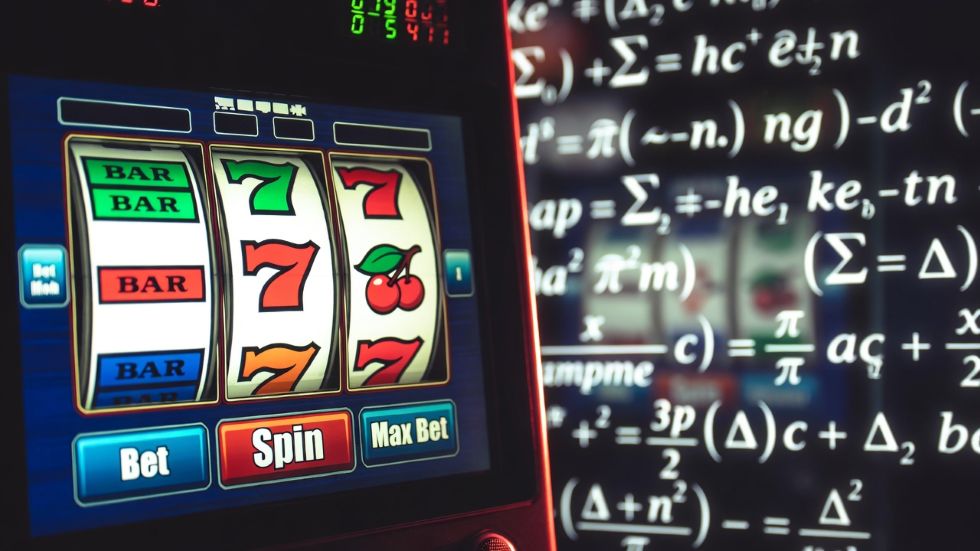
Color, sound, and motion influence how people judge risk. Research cited by the American Psychological Association shows that visual cues can change how people perceive uncertainty and reward. Bright colors, celebratory animations, and playful icons can make risky decisions feel lighter, almost harmless. Slot game designers know this well. They build entire visual worlds around that psychological quirk.
Data trends shared by the online slot games platform ecosystem show how much effort goes into visual presentation. Game developers track how players respond to symbols, sound effects, and animation timing. It is less about spinning reels and more about stagecraft. A spinning slot reel today feels closer to a tiny animated movie than a mechanical game.
Design That Speaks Without Words
Mobile slot games rarely explain risk directly. Instead, they show it. A glowing treasure chest suggests reward. A fiery red background signals intensity. Even the speed of a spinning reel can shape a player’s emotional state.
This visual language works because humans read symbols instinctively. Think about traffic lights. Nobody studies them after childhood. Green means go, red means stop. Slot designers borrow that same instinctive reaction.
A designer once joked during a gaming conference panel that slot games are “cartoons about probability.” That line stuck with me. It sounds funny, yet it is strangely accurate. Everything is exaggerated. Coins explode across the screen. Fireworks appear after small wins. The drama is intentional.
Players do not see mathematical odds. They see adventure.
The Iconography of Excitement
Traditional casino machines relied on simple symbols like cherries, bells, and sevens. Mobile slots have expanded that vocabulary dramatically. Now you see dragons, ancient temples, cyberpunk robots, and cartoon pirates.
Each symbol carries emotional meaning. Gold coins represent wealth. Lightning bolts signal sudden luck. Treasure maps suggest discovery. These visuals quietly frame gambling as a journey rather than a financial risk.
Some developers even test color psychology. Purple often appears in fantasy themed games because it suggests mystery and magic. Green tends to appear in jackpot visuals because it echoes money. These choices look playful. Behind the scenes they come from research.
Game artists sometimes say their work sits halfway between comic illustration and casino engineering. One side focuses on beauty. The other focuses on behavior.
When Beauty Softens Risk
Design can make risk feel smaller than it really is. That idea raises questions. Regulators have started to pay attention.
The UK Gambling Commission and groups like the National Council on Problem Gambling often discuss how game design influences decision making. Fast animations and rewarding sounds can create emotional momentum. A player might spin again before thinking about the cost.
Many artists working in the industry understand this tension. They love designing worlds filled with color and fantasy. At the same time they know their work shapes real behavior.
A designer friend once told me something refreshingly honest. “We try to create joy,” he said. “But sometimes joy needs guardrails.”
That mindset has pushed some studios to rethink visual feedback. Certain games now reduce exaggerated celebration after small wins. Others slow down the pacing so players can process outcomes more clearly.
Balancing Aesthetics and Responsibility
Creating a slot game today feels like walking a tightrope. Developers want excitement. Players want entertainment. Regulators want transparency.
The challenge is finding a visual style that thrills players without disguising risk. Some designers look to broader industry shifts for inspiration. Discussions around art and innovation in modern online casinos highlight how newer platforms combine strong visual storytelling with clearer user protections and responsible gaming tools. These approaches show that design can elevate the experience while still respecting player awareness and trust.
Some studios experiment with subtle cues. They may show realistic coin values instead of endless gold showers. Others design calmer interfaces that feel closer to puzzle games than flashy arcades. Even typography matters. Large jackpot numbers can feel dramatic. Smaller numbers look more grounded.
Meanwhile, communities built around mobile slot apps continue to debate where the line should sit. Some players enjoy the theatrical style. Others prefer simpler visuals that feel more honest. That debate is healthy. Art evolves through criticism.
Why the Visual Language Matters
Risk has always been part of gambling. What changed is how beautifully it can be packaged. Mobile graphics engines, animation tools, and sound design have turned slot games into tiny interactive theaters. A single spin can trigger a burst of color, music, and anticipation. The experience feels playful, even when the odds remain unchanged.
Understanding that artistic layer helps players see the full picture. Behind every glowing gem and spinning dragon lies a carefully designed emotional signal.
As mobile gaming continues to grow, the conversation around design and responsibility will likely grow with it. Whether someone explores a casual slot app or experiments with a digital casino environment similar to an online slot gaming hub, awareness becomes part of the experience.
Art will always shape how people feel about risk. Slot games simply make that relationship visible, animated, and impossible to ignore. Even in a colorful mobile interface or a modern online slot games platform environment, the underlying story remains the same. Design can charm the eye, but probability still writes the ending.