What Are The Risks Involved When It Comes To Art?

Art is an expression of humanity. It’s a way for people to tell their stories and share ideas. It can be seen as a way to express one’s emotions and thoughts. Art is also a form of self-expression that can take many forms.

However, there are risks involved with art. These risks can range from the artist being censored or imprisoned to the artwork being destroyed or sold for profit.

Most Common Types of Art Hazards and How to Avoid Them

  • Not knowing where to start
  • Starting too quickly without proper research
  • Not asking for feedback
  • Over-complicating a project
  • Focusing on only one aspect at a time
  • Lack of vision

While risks are a part of art, it is important to take precautions when creating and displaying artwork.

The Hazards Of Art And Why Is Safety Important

Art can be a beautiful form of expression. However, it can also be hazardous if you will not take into consideration safety measures. From the use of hazardous materials to the risk of injury from sharp tools, there are many risks associated with art that you need to address. It is important to understand these hazards and take steps to ensure that your art practice is safe and secure.

The Risks of Working with Common Art Materials and Supplies

Common art materials and supplies such as paint, glue, solvents, and other chemicals can present health hazards if you are not going to use them properly or if they come in contact with skin or eyes. In addition, the wrong combination of materials may produce dangerous fumes or irritants that could cause serious health problems. It is important to understand the potential risks associated with working with common art materials and supplies. This can ensure a safe environment for both the artist and anyone else who may be exposed to them.

Famous Painting of Casino Games

Many famous painters used to flirt with gambling. But did you know that their passion gradually turned into a real social theme, immortalized and represented in art? Famous paintings with games of chance stand as testimony.

At the Roulette Table in Monte Carlo

One of the paintings about gambling is “At the Roulette Table in Monte Carlo” or “La masa de roulette in Monte Carlo” by the painter Edvard Munch. This emerges from the experiences of the painter. He often frequented the Monte Carlo casino and later reproduced the gambling atmosphere in the painting. He painted this in 1892 and measures 116 x 74. The painting accurately captures the crowd and tense atmosphere at the roulette table. The color palette of the entire painting has its roots in the chromatics of the green roulette table. In places, shades of blue and red emerge, complemented by the beige of the characters’ skin.

Casinos As Art: Source Of Inspiration

The numerous stories about casinos, brazen thefts, and supposedly dirty deals still serve as an important source of inspiration in films, series, and books. In this regard, you must mention films like Casino Royale or Ocean’s Eleven in particular. Be it art or gambling, both sectors have developed into a particularly lucrative businesses over the years.

Architecture

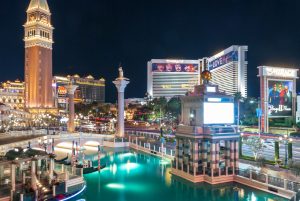
When it comes to casinos, the architecture is fascinating. Since the advent of the Internet, brick-and-mortar casinos have had a strong competitor. Therefore, it becomes even more important that casinos do everything in their power to present themselves in the best light. Since the look of a casino is the first thing that catches the eye, some casinos have become true architectural masterpieces. But the same applies to the interior of the casinos. The modern designs in combination with simple lines are just perfect.

The Connection Of Gambling And Works Of Art

Different motifs are represented in art. Whether in literature, painting, sculpture, film, photography, or music is the actual inspiration for the creation of works of art.

Connection of gambling and art

Gambling and art don’t seem to go well together. However, in the history of art, there have even been many notable artists who have made gaming tables the focus of their work. In others, gambling is shown in passing, but it is not all that unimportant for the interpretation of the work of art. Gambling in art is much more than an ordinary subject. On the one hand, gambling can depict the normal everyday life of one social class or another. On the other hand, it illustrates mysterious ways of life.

Vulnerability: Why Does Art Need Risk?

People fall in love with art when it connects with them. It connects when it makes you feel something you have been wishing to feel or when you see the universe in a new perspective.

Vulnerability in art

There is vulnerability in art. Risk is important to art because it makes you vulnerable. This is for both the artist and the viewer.

Art is empty without this risk. It is stale and meaningless. There is no real grandeur in that. Usually, the most influential art is not just pretty. It’s moving and it changes societies.

Visual Art Materials Can Be Harmful To Artists

The visual arts can have noteworthy risks to the safety and health of artists.  There are health hazards related to drawing and painting.  Working safely can include changes in how you choose your art materials. It also includes how you handle them.

What are some basics of chemical safety?

Make sure you have a safety data sheet.

Read the label.  Ensure you know what you are working with as well as the related hazards.

Place or cover a lid on the container when you are not using it to avoid unwanted vapours and evaporation.

Label the new container with the contents and associated dangers.  Visual arts provide labels for this purpose.

Durability and Dangers of Materials in Art

Cultural goods, especially works of art, are constantly exposed to the risk of irreparable damage. These damages are from external influences as a result of intensive exhibition activity and also from environmental pollution and climate change. This can lead to complete destruction, especially in the case of outdoor objects.

Systematic investigations and weathering tests for arts

People check the long-term durability of materials in arts through systematic investigations and weathering or light tests. Above all, they use methods of modern surface analysis. This makes it possible to detect material changes in the nanometer range. Such systematic methods can ultimately suggest and test ways of preserving cultural heritage.

Environmental Hazards of Materials in Art

Art production is a satisfying process. However, it can involve possibly dangerous materials. This is one of the reasons why you need to explore the hazardous materials before doing your artworks.

Artists and Dangerous Materials

Artists are zealous about their work and pursue creativeness in many means. Some paint, while other artists work with sculpt or ceramics with a wide array of materials. Art can be valuable and beautiful but it can also be harmful to your health.

The environments of art studio can be dangerous areas. Sculptors who work in stone and wood use saws, large sharp knives, and blades. Others use heat in order to weld large, thick pieces of metal that might have piercing edges. Some artists paint big canvases, requiring high ladders and physical dangers as well. Various artists use adhesives and glues that can give off unsafe fumes.

Relevant To Health: How Toxic Is Oil Painting?


How hazardous is it actually to paint with oil paints? Are there serious health risks?

What exactly is dangerous?

Color pigments: there are some that can have a toxic effect, i.e. are poisonous. However, there is really only a serious danger with very few color pigments. For a long time, this was white lead, which is no longer used today for this very reason.

People usually use nut oil or linseed oil as a binding agent. This is safe.

The most problematic are the solvents that you require or use when painting with oil paint. Whether it’s turpentine oil to thin the paint or brush cleaner, both contain substances that are volatile. This means that some of these liquids already evaporate at room temperature. These fumes, which represent the usual scent of oil painting are quite aggressive. They can have a negative effect to the mucous membranes.

Tips to help You Preserve Casino Arts: Not Just Paintings, but All Art Forms

One of the most traditional forms of art is casino arts. In fact, it was casino-style paintings that sparked a renaissance period in European art during the 18th century.

In this modern time, casinos are one of the most popular places to view and purchase paintings. This makes it crucial for artists to be aware of how they can preserve their works for future generations. While online casinos such as don’t need such pieces of artwork, they can hire your talent to help them in doing designs in some aspects.

Then again, if you’re looking for ways to help you preserve your next creation, consider these tips to ensure your work will live on long after your death.

Benefits of Preserving Your Work

One of the benefits of preserving your work is that you can ensure it will live on for future generations. As an artist, you should be aware that there are many dangers to selling and investing in artwork, such as damage from moisture or fire. You also want to make sure that your work is not misappropriated by someone else who can take credit for your talent.

Although it’s not always possible to prevent these things from happening, you can protect yourself and your legacy by taking precautions such as safeguarding your paintings with a museum quality frame or keeping them with a reputable dealer who agrees not to sell your work until after you pass away.

Well Preserved Artworks Shoots Up in Value

Another benefit of preserving works is the fact that they worth more money if they have not sustained damage over time.

To give you an example, older paintings in good condition are often more valuable than newly created pieces because they have been around longer and proven their timelessness like other established works of art. This means that if you preserve it now, it could be worth a lot more later on down the line!

What Medium should You use?

Achieving water resistance is the most important factor for artists to preserve their work. For example, oil paints are not recommended because they have a low degree of water resistance and often leave behind a water-soluble residue after drying. This makes it more difficult for the painting to last, even if the artist takes care of it in the future.

So, what medium can be used? Artists should consider using canvas or paper that is made of polyester or cellulose acetate fibers, which provide a high level of water resistance and can also last longer in comparison to other materials.

Art Materials Can Be Dangerous

Individuals of all ages use art materials. Certain chemicals you find in art materials have the possibility to harm your health specifically if you use them over a long period of time.

You must take note that the danger can be higher for kids. Furthermore, it can have risks for individuals with physical and mental challenges. It can also affect individuals with certain unhealthy lifestyles and genetic diseases.

Why do art materials have the potential to cause health problems?

Metallic compounds and other chemicals can cause harm to the DNA in your body. Your DNA carries the information that guides all the activities being performed in your cells, organs, and bodies. This information is vital. You should not damage or alter this. In a normal cell, if there is any damage to DNA, you can fix it by DNA maintenance systems. However, if you expose an organ or a cell continuously to a chemical compound that has the capacity to damage DNA, the risk to the DNA becomes too much.

Art Materials & Tools and Their Health Hazards

Art is really fun to create.  Nonetheless, there are health dangers that come with all types of art.

Art materials and Safety

Some individuals have old wounds that can act up. Other individuals might have an old sports injury that recurs once in a while. As for artists, they can tell their friends that they are unable to join in a friendly game of football due to tendonitis from the excessive time at the potter’s wheel.

Artists have a tendency to get lost in their work. While the finished art product may turn out excellent, injuries can recur which are completely preventable. Not only are some of these health risks serious, but they can also keep you away from your artwork, and nobody wants that. Make sure to do your research about the tools you will use. This way, you can avoid possible hazards to your health.

How to Ventilate an Art Studio

Many people overlook proper ventilation when setting up their art studio. This is very vital for your personal safety and health. Some don’t realize that when using certain art materials goes up into the air. Overtime they may be concentrated which is not good for the lungs and air passage.

Here is what you can do:

  • When painting, paint near a window. Make sure to have a window that can open. Opening up a window and your door will allow fresh air to flow in the room. This will cause the chemicals to disperse.
  • Using a fan in your studio also helps in providing proper ventilation. It rotates air in the studio

Always keep in mind that safety is always a priority in your work area.

How to Control Fumes in Your Art Studio

Fumes is a common problem for artists nowadays. Oil painting, air brushing, spray paint or anything that emits toxins in the air is dangerous to one’s health. Inhaling solvents and its pigments are hazardous to our health. They cause a variety of health issues like cancer, respiratory disease, allergies etc. When inhaled many people suffer from headaches, dizziness and nausea. Ventilation is very important and opening windows is not enough. Artists find giant filters as a great help in eliminating these fumes. However, this equipment is not cheap and many artists hardly can afford it.

Here are some options:

  • Wear a respirator. This is effective especially when spray painting.
  • When using odorless thinners get yourself some air tight medium holders. This will prevent the fumes from mixing with the air in your studio.
  • Open your windows when dealing with fumes.
This website has no cookies. It collects only basic data. More at the Privacy Policy page.
𐌢