
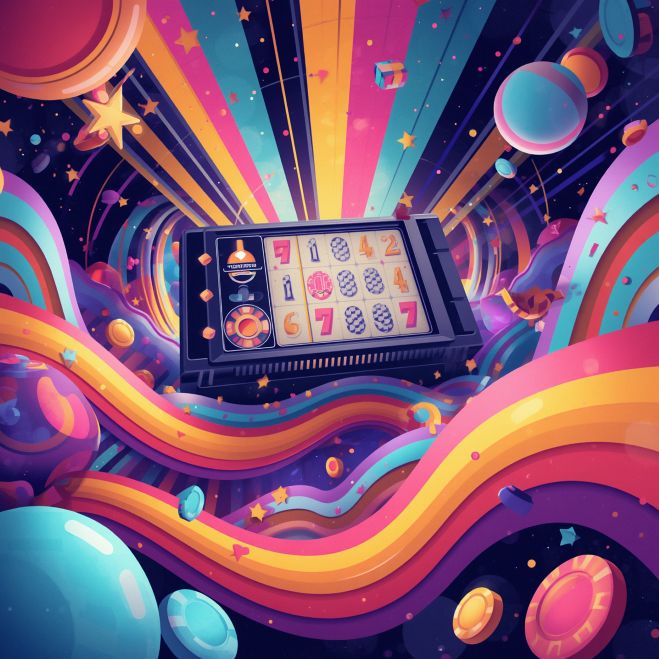
According to the British Psychological Society, digital environments are increasingly designed to influence human behavior, often using subtle cues that guide decision-making. Online casinos exemplify this trend, where interface design is not simply aesthetic but a calculated form of persuasion. Every color, sound, and animation is carefully chosen to sustain engagement and encourage repeated interaction.
Colors and motion are central to this persuasive architecture. Bright reds and golds signal urgency and reward, while cooler tones create moments of calm between high-stakes decisions. Animations simulate the thrill of physical slot machines, and sound design reinforces the sense of anticipation. Reward feedback loops, such as flashing lights or celebratory tones after small wins, are engineered to keep players immersed. Platforms like non UK casinos that accept UK players often experiment more freely with these elements, offering a glimpse into how design flexibility can shape user experience beyond regulatory boundaries.
Colors, Animation, and Sound Design
Visual and auditory cues are not incidental. They are rooted in behavioral psychology. Research from the University of Nevada, Las Vegas highlights how slot machine sounds trigger dopamine responses, reinforcing the cycle of play. Similarly, color palettes are chosen to evoke emotional states—red for excitement, green for reassurance, and blue for trust. Animation adds dynamism, simulating the unpredictability of chance. Together, these elements create a sensory environment where risk feels both thrilling and manageable.
Risk Aesthetics in Online Gambling
The concept of “risk aesthetics” describes how design choices frame uncertainty as entertainment. Online casinos use suspenseful pauses, escalating sound effects, and visual metaphors of treasure or fortune to transform risk into spectacle. This aestheticization of chance blurs the line between art and psychology. It is not merely about winning or losing but about sustaining a narrative of possibility. The interface becomes a stage where risk itself is the performance.
UK-Regulated Interfaces vs Offshore Creativity
UK-regulated platforms operate under strict guidelines set by the UK Gambling Commission, which limit the use of certain visual and auditory triggers to reduce addictive behaviors. For example, autoplay restrictions and mandatory “reality checks” are designed to interrupt continuous play. Offshore platforms, however, often bypass these constraints. Their interfaces may feature more elaborate animations, layered soundscapes, and experimental reward systems. This divergence illustrates how regulation shapes design, with UK casinos prioritizing harm reduction while offshore sites emphasize immersion.
Interface Experimentation and Offshore Platforms
Offshore operators, including alternative sites similar to international casinos accessible to UK audiences, often push boundaries in interface design. Their freedom allows them to test unconventional layouts, gamified loyalty systems, and immersive visual storytelling. This experimentation reflects a broader trend in digital entertainment, where design innovation is used to differentiate platforms. For players, the appeal lies in novelty, but the risks are heightened when regulatory safeguards are absent. The creative latitude of these platforms underscores the tension between engagement and protection.
Ethical Considerations
The ethical debate centers on whether immersive design enhances entertainment or manipulates vulnerability. According to the World Health Organization, gambling disorder is recognized as a behavioral addiction, influenced by environmental triggers. When interfaces amplify risk aesthetics, they may inadvertently contribute to harmful patterns of play. Ethical design would balance engagement with transparency, ensuring that players understand the risks. Yet commercial pressures often prioritize retention over responsibility, leaving regulators and designers to negotiate the boundaries of persuasion.
READ ALSO: Risk and Reward: How Artists Depict Gambling in Visual Art
Closing Reflection
Casino interfaces are more than digital decoration. They are persuasive systems that blend psychology, visual art, and retention strategies. The contrast between UK-regulated platforms and offshore alternatives highlights how design freedom can both enrich and endanger user experience. International casinos accessible to UK players demonstrate the allure of experimentation, but they also raise questions about accountability. Ultimately, the line between entertainment and manipulation is fragile. Gambling carries inherent risks, and immersive design can intensify them. Players should remain aware that behind every animation and sound effect lies a calculated attempt to sustain engagement. Awareness, therefore, becomes the most important safeguard against environments where art and psychology converge to shape risk.
Warning: Gambling involves financial risk and can lead to addiction. Readers are encouraged to approach online gambling with caution and to seek professional help if play begins to feel compulsive.
